
An unbalanced garage door looks like a panel that lifts unevenly, drifts instead of holding its position, and forces the opener to strain harder than it should. These signs often develop slowly, appearing as small inconsistencies before they turn into a door that struggles to open or close at all.
Noticing these signs early on is the difference between a quick residential garage door service call and a repair that becomes more involved and expensive the longer it is delayed. This guide breaks down exactly what those signs look like, what causes them, and what they mean for the garage door balance as a whole.
Why Does a Balanced Garage Door Matter?
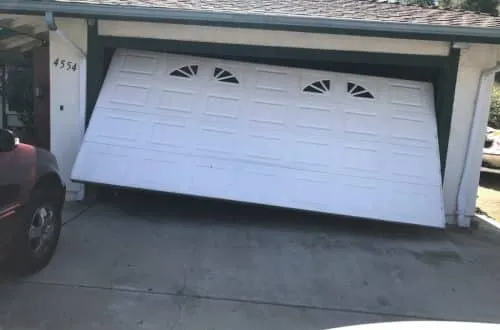
Garage door balance is the state where a door stays level and moves smoothly at every point along the track without one side pulling harder than the other, and this balance affects far more than how the door looks while operating.
This balance matters because it directly affects:
- The opener motor wears out faster when forced to compensate for uneven weight
- Cables and rollers carry extra strain that shortens their working life
- Sudden drops or jerky movements become more likely as the imbalance grows
- Anyone standing nearby faces a greater risk from an unpredictable door
- Small issues left unaddressed tend to multiply into larger repair costs
To understand how these early warning signs appear before a full mechanical failure, read our guide on How to Check Garage Door Balance and When to Call an Expert, which breaks down the full process for testing and confirming balance.
What Causes a Garage Door to Become Unbalanced?
Garage door balance problems build gradually as parts wear down and shift out of position after years of daily use, often without any obvious warning.
Several mechanical factors typically drive this shift out of balance:
- Springs lose tension as metal fatigues with repeated use
- Loose hardware lets the door shift unevenly during operation
- Worn or misaligned rollers add uneven resistance along the path
- Stretched or frayed cables change how weight is distributed
- Track alignment shifts over time, especially with temperature swings
To break down each of these mechanical factors in more depth, read our guide on Common Causes of Garage Door Balance Problems, which explains why they develop and how they affect the door over time.
What Are the Warning Signs of an Unbalanced Garage Door?

The Door Fails a Manual Balance Test
Disconnecting the emergency release cord and lifting the door partway confirms whether spring tension still holds it steady on its own.
A balanced door behaves in specific, predictable ways during this test:
- Holding steady at the halfway point without drifting upward or downward
- Moving with light, even resistance throughout the entire lift
- Staying in place at multiple heights rather than just one spot
- Showing no sudden drop the moment it is released mid-lift
- Requiring only minimal effort compared to how it felt when new
Running this test on a regular schedule is one of the simplest and most effective parts of routine garage door opener maintenance.
The Door Moves Crooked or Uneven
Watching the door travel from fully closed to fully open provides a direct visual read of how evenly its weight is distributed between the two sides.
Uneven movement tends to show up in a few recognizable ways:
- One side lagging noticeably behind the other during the full travel
- A visible tilt or slant once the door reaches full height
- Jerky, inconsistent motion instead of one smooth, continuous pass
- A panel that looks level while closed, but crooked while moving
- Movement that becomes more uneven with repeated use over time
Crooked travel along the tracks almost always signals that one spring is carrying more load than the other.
The Door Feels Too Heavy to Lift by Hand
A properly balanced garage door should lift with only light, manageable effort once the automatic opener has been disconnected.
A few details help separate normal resistance from a genuine weight problem:
- Noticeably more effort required compared to when the door was new
- The resistance increases as the door is lifted higher
- A sensation closer to lifting a dead weight than a supported panel
- Difficulty holding the door steady at any point mid-lift
- Effort that remains high even across repeated attempts
Consistent heavy resistance during a manual lift points directly to spring tension that has weakened significantly over time.
The Opener Sounds Like It Is Straining
The garage door opener often reveals a balance problem through sound well before the door itself shows any other visible symptom.
Certain noises stand out as clear signs that the motor is working harder than it should:
- A groaning or straining sound during the lift cycle
- Noticeably slower movement compared to normal, everyday operation
- Grinding or clicking coming from the opener carriage itself
- Brief pauses or hesitation partway through opening or closing
- Sounds that grow louder or more frequent with continued use
Straining sounds like these are often the earliest indication that professional garage door opener repair is needed before the motor wears down further.
Gaps Appear at the Bottom of the Door
Checking the bottom seal while the door sits fully closed offers a simple, reliable way to confirm even contact with the garage floor.
A few visual cues make an uneven seal easy to identify:
- Light visible underneath the door in one or more specific spots
- Weather stripping compressed more heavily on one side than the other
- A gap that widens or narrows depending on where it is measured
- Solid, flush contact on one side paired with lifted contact on the other
- Drafts or moisture entering the garage near the uneven section
An uneven seal along the floor usually lines up with the same side already showing crooked movement while opening or closing.
The Door Jerks or Binds Along the Tracks
Smooth, continuous movement along both tracks from start to finish is one of the clearest indicators of a properly balanced door.
Binding or jerking motion tends to appear in a few specific, repeatable patterns:
- Hesitation that occurs at the same point during every single cycle
- A brief catch in movement followed by a sudden, forceful jolt
- Noise or vibration that concentrates near one particular track
- Rollers that appear to stick briefly before releasing all at once
- Movement that feels forced and mechanical rather than smooth and continuous
Addressing this kind of binding early often supports smoother, more consistent garage door noise reduction over the long run.
What Happens If a Garage Door Stays Unbalanced?
An unbalanced garage door rarely corrects itself, and the underlying strain tends to build with every additional cycle of use.
An unbalanced door left unaddressed typically leads to:
- The opener motor wearing out faster from compensating for uneven weight
- Spring tension weakening further, raising the risk of sudden failure
- Cables and rollers absorbing uneven pressure that shortens their lifespan
- A higher chance of the door dropping unexpectedly during use
- A growing safety hazard for anyone standing nearby as tension shifts
Left unresolved, these mechanical issues tend to compound rather than stay contained to one part of the system.
What Should Be Done After Noticing These Signs?
Noticing signs of an unbalanced garage door calls for a few careful steps rather than continued regular use of the system.
After noticing these signs, it helps to:
- Limit the use of the automatic opener to avoid adding further strain
- Note which specific signs are present to help with diagnosis
- Avoid adjusting spring tension without the right tools or training
- Keep children and pets away from the door until it is evaluated
- Schedule a professional inspection rather than waiting for symptoms to worsen
Taking these steps early helps prevent a manageable balance issue from developing into a more involved repair.
When Should Garage Door Balance Be Checked?
Garage door balance is worth checking on a regular schedule rather than only after a problem becomes obvious.
| Situation | When to Check |
| Routine upkeep | During an annual inspection to catch problems while they are still minor |
| Recent service | After any recent door service, replacement, or adjustment |
| Warning signs present | As soon as any of the earlier warning signs appear |
| Older door | More frequently, as components naturally wear with age |
| Scheduled tune-up | Alongside a routine tune-up that covers springs, cables, and rollers |
Sticking to a consistent check-up schedule makes it far easier to catch a developing balance issue before it affects daily use.
How Can Professionals Help With Garage Door Balance Issues?
A professional door technician brings the training and equipment needed to accurately diagnose and correct a garage door balance problem.
Professional service typically covers:
- Measuring spring tension to confirm the exact source of the imbalance
- Inspecting the full door system, including tracks, cables, and rollers
- Adjusting or replacing springs using the correct tools and techniques
- Testing the door’s balance again after adjustments are made
- Confirming the opener operates normally once the balance is restored
To walk through exactly how this correction process unfolds from start to finish, read our guide on How to Fix an Unbalanced Garage Door Safely, which breaks down what professionals check and adjust at each stage of the repair.
Notice the Signs of an Unbalanced Garage Door and Get It Checked
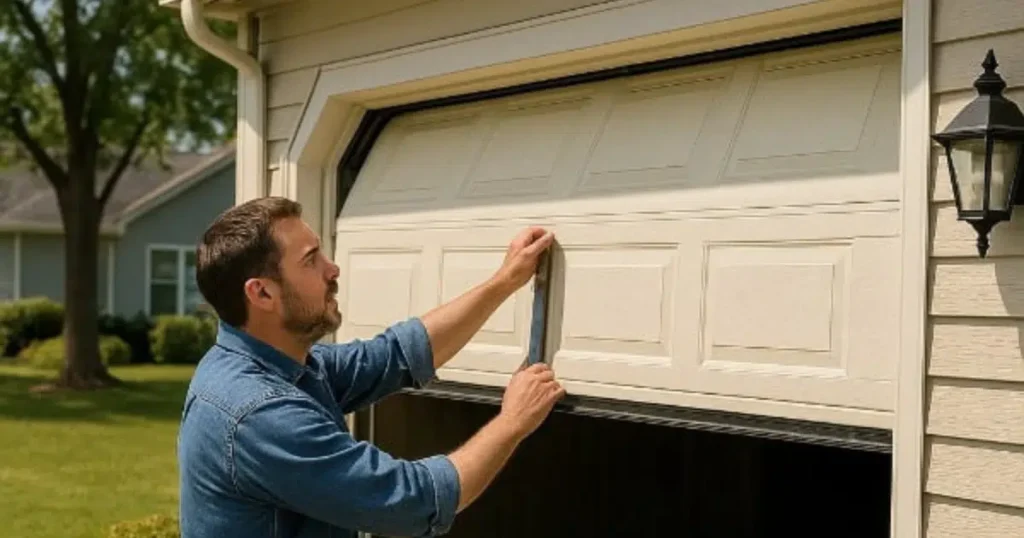
An unbalanced garage door rarely stays minor for long, and the signs covered throughout this guide are worth acting on the moment they first appear. Uneven movement, a straining opener, and visible gaps at the floor all point back to the same underlying balance problem and deserve a closer look before it progresses further.
TCAMM Door & Gate works with homeowners across Aledo, TX, to accurately diagnose and correct garage door balance problems at the source using the right tools and hands-on experience. Contact us or give us a call today, and let our team confirm exactly what these signs mean for your door’s balance and overall condition.
Frequently Asked Questions
Does the type of garage door affect how balance issues appear?
Yes. Heavier doors, such as solid wood or insulated steel, tend to show balance problems more noticeably than lighter aluminum doors. The added weight puts more strain on springs that have already started to wear.
How long does a professional garage door balance check usually take?
A standard garage door balance check typically takes less than an hour to complete. The exact time depends on how easily the technician can access the springs, cables, and surrounding hardware.
Can a garage door balance issue come back after it has been fixed?
Yes. A balance problem can return if the original garage door adjustment was incomplete or if other components continue to wear down after the repair. Ongoing use naturally puts strain back on the system over time.
Does garage door size affect how noticeable a balance problem becomes?
Yes. Wider or taller doors often reveal a balance issue more quickly than standard single-car doors, since the greater surface area makes small amounts of unevenness easier to notice. Double-wide doors, in particular, tend to show uneven weight distribution across the panel almost right away.
What should be included in a full garage door tune-up?
A complete garage door tune-up typically includes a balance check, a full inspection of hardware, and adjustments to any components showing early signs of wear. Technicians also check that the opener responds correctly once adjustments are made.
Can ignoring a garage door balance issue affect other parts of the system?
Yes. An unaddressed balance problem often places additional strain on connected components, such as cables and rollers. This is one reason routine garage door maintenance matters even when nothing seems obviously wrong yet.
Is a noisy garage door always related to a balance problem?
Not always. Noise can come from several different sources, so a proper garage door inspection helps confirm whether balance is the actual cause before any repair work begins. Isolating the source first prevents unnecessary adjustments.
How does a technician determine if a garage door needs adjustment or full repair?
A technician typically starts with a balance test and a visual check of the springs and hardware. From there, garage door repair is recommended only if damage extends beyond what a simple adjustment can resolve.
What is the first step in learning how to balance a garage door correctly?
The first step usually involves disconnecting the automatic opener to see how the door behaves without power assistance. This confirms whether the garage door safety should be addressed before any further adjustments are attempted.