
Checking garage door balance means closing the door, disconnecting the opener, and lifting it halfway to see if it holds steady on its own. A door that drifts up or down during this test is out of balance and needs attention before the problem becomes more serious for the system as a whole.
A simple garage door balance test takes only a few minutes and can catch a developing issue well before it turns into a costly repair down the line. Recognizing when the results point to something beyond a basic fix makes the difference between a quick check and a timely call to a residential garage door service.
What Is Garage Door Balance and Why Does It Matter?
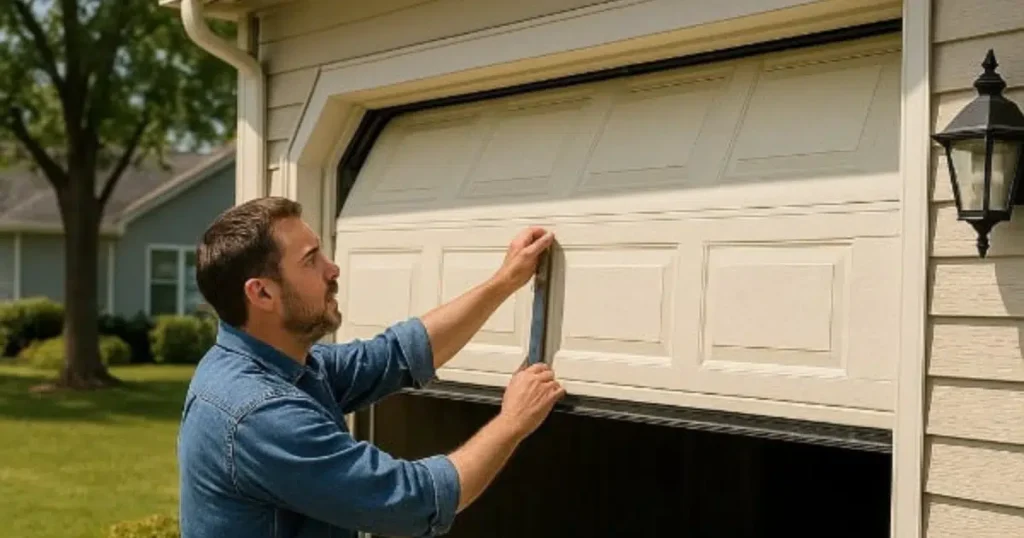
Garage door balance is the state where a door stays level and moves smoothly at every point along the track without one side pulling harder than the other, and this balance affects far more than how the door looks while operating.
This balance matters because it directly affects:
- Garage door opener motors wear out faster when forced to compensate for uneven weight
- Cables and rollers carry extra strain that shortens their working life
- Sudden drops or jerky movements become more likely as the imbalance grows
- Anyone standing nearby faces a greater risk from an unpredictable door
- Small issues left unaddressed tend to multiply into larger repair costs
To understand how these early warning signs appear before a full mechanical failure, read our guide on What Does an Unbalanced Garage Door Look Like?, which breaks down the symptoms homeowners notice first.
What to Know Before Checking Garage Door Balance
A few basic conditions must be met before running a garage door balance test, as skipping them can lead to an unreliable result.
A few things should be ready before the test begins:
- The door should be fully closed before starting the test
- The area around the tracks should be clear of tools or debris
- A step stool helps reach the emergency release cord safely
- A flashlight makes it easier to spot worn springs or rollers
- Anyone testing the door should stay alert to the moving parts throughout
Having these basics in place from the start makes the garage door balance check faster to run and easier to read accurately.
How to Perform a Garage Door Balance Test
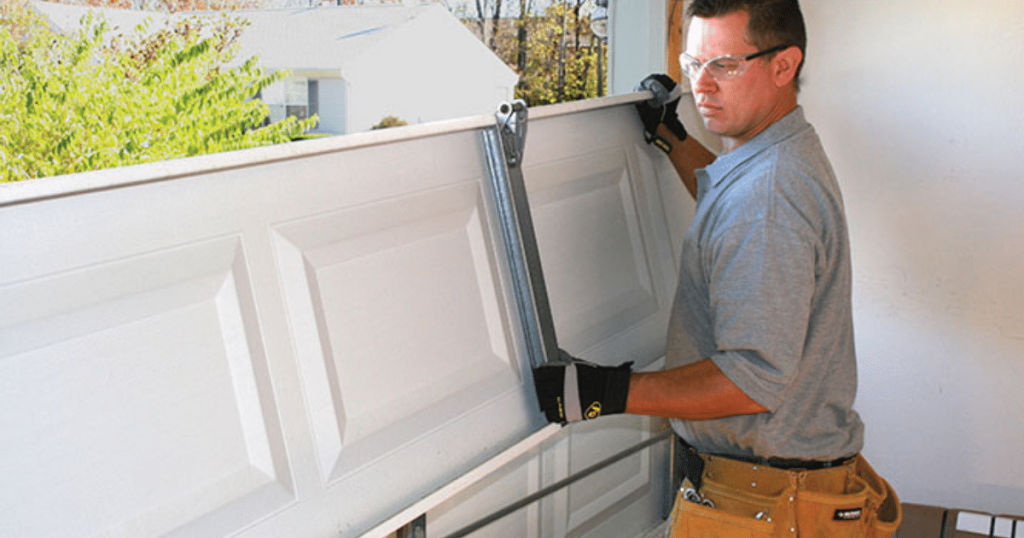
Step-by-Step Balance Test
A garage door balance test measures spring tension and gives an immediate read on how well the door is currently holding up under its own weight.
What each step in the test should cover:
- A closed starting position gives the springs a consistent, measurable tension
- The emergency release cord disconnects the opener carriage from the door
- A halfway lift point puts the most stress on a weak or worn spring
- A gentle release shows exactly how the door behaves without support
- A full open cycle reveals whether the imbalance holds steady or worsens
Resistance felt while disconnecting the cord or lifting the door by hand often signals that garage door opener repair is needed soon.
What a Pass vs. Fail Result Means
Each balance test outcome points to a distinct type of imbalance and often hints at which part needs attention first.
| Door Behavior After Release | What It Typically Indicates | Recommended Action |
| Minimal drift, stays in place | Springs are holding proper tension | No action needed, door is balanced |
| Rolls downward toward the floor | Springs have weakened over time | Schedule a professional spring inspection |
| Rises upward toward the ceiling | Springs are wound with too much force | Have tension adjusted by a technician |
| Jerks or hesitates during the drop | A track or roller is binding | Check for debris or worn hardware |
| Does not move at all | Springs have lost most of their tension | Contact a technician before further use |
A pass-or-fail result like this is easier to catch early when the system receives consistent garage door opener maintenance throughout the year.
What to Do When a Balance Problem Appears
A balance problem calls for a few careful, immediate actions rather than attempting a full repair without the right tools.
What to do once a balance issue shows up:
- Stop using the automatic opener until the door is checked further
- Note which direction the door moved during the failed test
- Look over the rollers and tracks for visible wear or debris
- Avoid forcing the door open or closed by hand
- Schedule a garage door adjustment before regular use continues
Taking these steps early helps limit how much strain the rest of the system takes on before a technician arrives.
Common Causes of Garage Door Balance Problems
A garage door can drift out of balance for a handful of reasons, even on a system that passed a balance test just months earlier.
Common causes worth checking first include:
- Worn or stretched springs lose their original tension over time
- Sudden temperature swings affect how metal springs hold force
- Frequent daily use adds extra wear to cables and rollers
- Skipped garage door maintenance allows small issues to build up
- Misaligned tracks put uneven pressure on the door as it moves
To identify which of these causes applies to a specific door, read our guide on Common Causes of Garage Door Balance Problems, which explains how each factor develops and what it leads to over time.
When to Call a Professional for Garage Door Balance Issues
A few clear warning signs separate a situation worth monitoring from one that needs a professional visit right away.
Situations that call for expert help include:
- The door refuses to hold position at any height during the test
- A cable appears frayed, loose, or visibly worn near the drum
- The opener grinds or strains as if fighting against extra resistance
- The door has slipped partially off its tracks
- Multiple balance problems appear together rather than a single symptom
Recognizing these situations early prevents a minor issue from turning into a much larger garage door repair.
Why Professional Garage Door Balance Checks Are the Best Option
A professional balance check goes beyond a simple test and often reveals problems a homeowner would otherwise miss entirely.
Reasons a professional visit delivers better results include:
- Trained technicians inspect the entire system, not just the symptom reported
- Specialized tools measure spring tension with far more precision
- Early detection often prevents a bigger repair down the line
- Experience helps identify issues specific to older overhead doors
- Proper adjustments extend the life of the opener and its components
To learn practical steps for correcting an unbalanced door safely, read our guide on How to Fix an Unbalanced Garage Door Safely, which explains what a technician typically does during a repair visit.
Check Your Garage Door Balance and Know When to Call an Expert
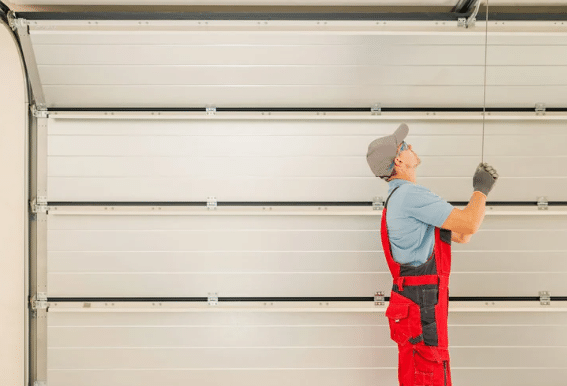
A garage door balance test gives homeowners a fast way to catch spring wear before it puts extra strain on the opener and other parts. Running this check regularly and recognizing when a result points to something beyond a simple fix makes the difference between a quick repair and a much larger problem later on.
TCAMM Door & Gate brings hands-on experience to every balance check performed for homeowners throughout Aledo, TX, backed by years of hands-on repair work in the area. Contact us or give us a call today, and let our team assess the door and provide a clear, accurate diagnosis before further use.
Frequently Asked Questions
What are the common signs that a garage door is out of balance?
A door that will not hold at the halfway point, an opener that strains or grinds during use, and uneven movement on one side are the most common signs. These symptoms often build gradually over weeks or months before the door fails a full balance test.
Why is having a balanced garage door important for its operation?
Balance keeps strain off the opener motor and reduces wear on the springs, cables, and rollers over time. A door that stays balanced also lowers the risk of sudden drops or unpredictable movement that could put someone nearby at risk.
Can we explain how to manually balance a garage door step by step?
Learning how to balance a garage door involves adjusting spring tension, which carries real risk without the correct tools and hands-on training. This specific task is best left to a trained technician who can make the adjustment correctly and avoid damaging the system.
What role do garage door springs play in door balance?
Springs carry most of the door's weight through stored tension, which allows it to move smoothly and hold position at different heights. Worn, stretched, or damaged springs are the most common cause of a door falling out of balance over time.
How often should the balance of a garage door be checked?
An annual checkup is a reasonable habit for most homeowners with a standard usage pattern. Doors used several times a day may benefit from more frequent garage door inspection, since frequent use accelerates wear on the springs and hardware.
What tools are needed to check the garage door balance at home?
A step stool, a flashlight, and a notepad for recording results are usually enough for a basic at-home check. These simple items help homeowners complete the test safely while keeping track of their observations for future reference.
Is it safer for homeowners to test the balance of their garage doors themselves or hire a professional?
The full spring adjustment should not be handled without proper training, though the basic balance test is fine to run at home. Garage door safety depends on knowing which parts of the process are appropriate to check personally and which require a professional visit.
What could cause a garage door to go out of balance repeatedly?
Worn springs, temperature swings, and heavy daily use are among the most common repeat causes homeowners run into. Skipped maintenance also allows small mechanical issues to build up until they become a recurring balance problem.
Are there any maintenance tips to help keep a garage door balanced?
A regular garage door tune-up, along with prompt attention to small issues, goes a long way toward maintaining proper balance. Keeping the tracks and rollers clean and free of debris also helps the entire system perform consistently over time.