
Safely fixing an unbalanced garage door means correcting the spring tension and worn hardware that are causing the imbalance, then confirming the fix with a proper balance test. An unbalanced garage door forces the opener to compensate for uneven weight, and that strain builds quietly until a small issue becomes a bigger repair.
Correcting the balance is not always something a homeowner can safely handle alone, since the springs involved store enough tension to cause real harm if mishandled. A residential garage door service brings the tools and training needed to restore proper balance without turning a simple adjustment into an injury.
Why Do Garage Doors Fall Out of Balance Over Time?
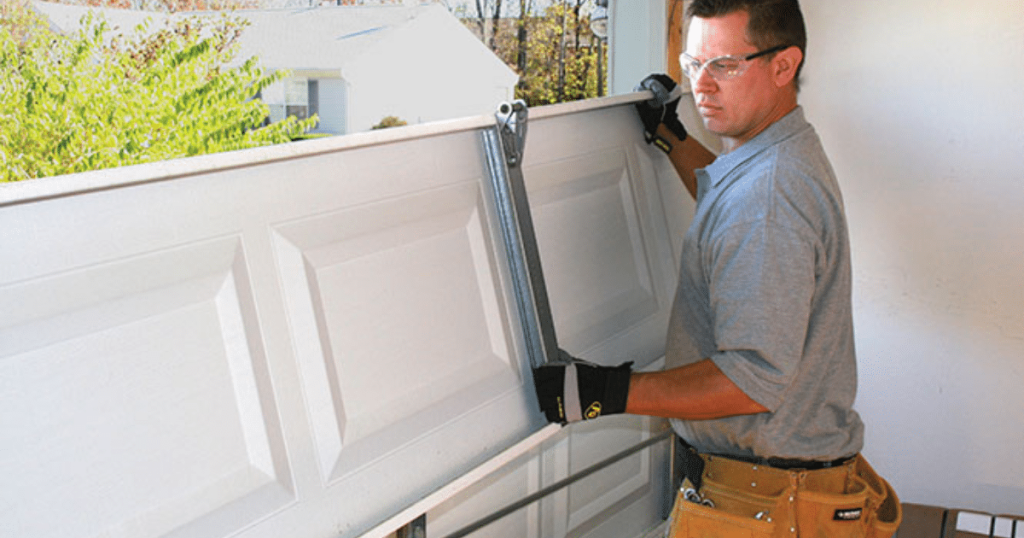
A garage door falls out of balance when its spring tension no longer matches the door’s weight, and this shift usually builds gradually through everyday wear rather than happening all at once.
Common reasons a garage door loses its proper balance include:
- Spring tension weakens naturally after thousands of open and close cycles
- Temperature swings cause metal springs and tracks to expand and contract
- Rollers and hinges wear down and create uneven movement along the tracks
- Cables stretch slightly over time and shift how the weight is distributed
- Hardware like brackets and bolts loosens from constant vibration
To understand the full range of mechanical and environmental factors driving these issues, read our guide on Common Causes of Garage Door Balance Problems, which explains how each one affects the door’s balance over time.
Signs That Show a Garage Door Is Unbalanced
An unbalanced garage door shows early warning signs, and catching them helps prevent a small issue from becoming a bigger repair.
A garage door losing its proper balance often displays:
- The door closes unevenly or looks crooked when partially open
- One side appears to drop faster than the other during movement
- The automatic opener strains, makes grinding noises, or stalls mid-cycle
- The door will not stay in place when disconnected from the opener carriage
- Cables or springs appear loose, stretched, or visibly worn
To identify these warning signs in greater detail and understand what they typically mean, read our guide on What Does an Unbalanced Garage Door Look Like?, which walks through each indicator homeowners commonly notice.
Is It Safe to Balance a Garage Door Alone?
Balancing a garage door alone is risky because the springs involved hold enough tension to cause serious harm if handled incorrectly.
The main risks of attempting this without training include:
- Torsion springs store extremely high tension and should never be adjusted without training
- Extension springs carry somewhat less risk but can still cause injury if mishandled
- A sudden spring release can cause the door to drop or the spring parts to fly
- Proper tools and experience are needed to measure and correct tension safely
- A miscalculated adjustment can throw the door further out of balance
Weighing this risk against the alternative helps clarify whether a DIY attempt or professional help makes more sense for the situation at hand.
Steps Involved in DIY Garage Door Balance Repair
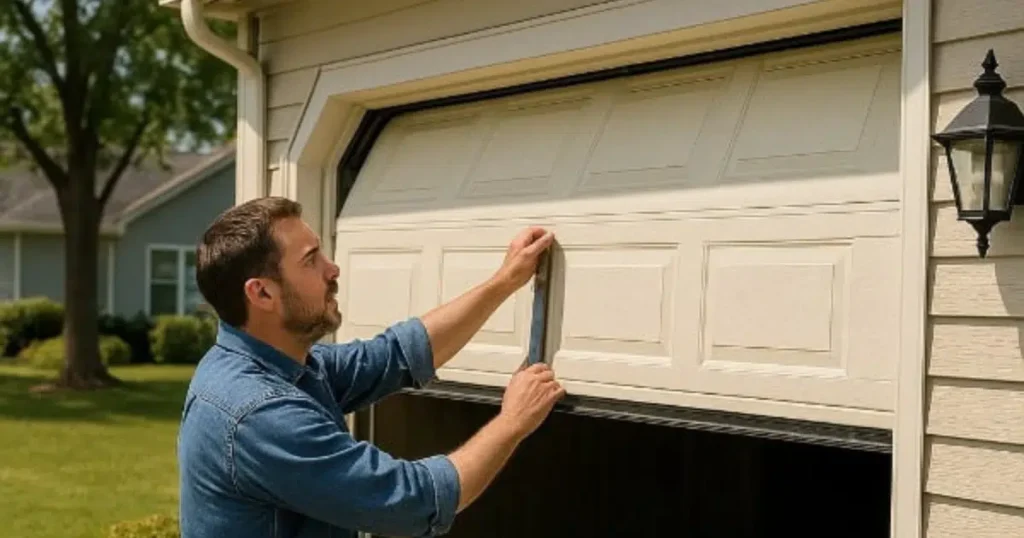
Safety Warnings Before Touching Any Garage Door Spring
Torsion springs and extension springs carry different levels of risk, and knowing the difference matters before anyone gets near either one.
Key warnings to keep in mind include:
- Torsion springs hold extremely high tension above the closed door
- Sudden release of a torsion spring can cause severe injury
- Extension springs run along the tracks with somewhat lower risk
- Disconnecting the opener first prevents accidental movement
- A ladder and locking pliers should secure the door beforehand
Respecting these warnings from the start protects both the person making the adjustment and the need for future garage door opener repair.
Adjusting Extension Springs Without Professional Help
Extension spring adjustment follows a general sequence, and each step builds directly on the one before it.
The typical process includes:
- Pulling the emergency release cord disconnects the opener carriage
- Closing the door fully happens before any adjustment begins
- Locking pliers under the bottom roller keep the track secured
- Moving the S-hook closer to the opening increases tension
- Moving the S-hook further from the opening decreases tension
Following this sequence correctly supports long-term garage door opener maintenance and helps the door hold its adjustment over time.
Fixing Minor Crookedness From Loose Hardware or Tracks
Not every balance problem traces back to spring tension, since loose brackets and shifted tracks can throw a door out of alignment just as easily.
Common fixes for this type of issue include:
- Checking hinges and brackets with a socket wrench
- Tightening any hardware that wobbles under hand pressure
- Clearing debris that has built up inside the tracks
- Tapping a bent track back into place with a rubber mallet
- Rechecking the door’s movement after each adjustment
Lingering crookedness after these fixes often ties back to garage door noise reduction, since loose or misaligned parts are a common source of rattling.
Why Professional Garage Door Balance Repair Works Better
Professional technicians bring precise tools and hands-on training that make correcting a garage door balance far more reliable than attempting it without experience.
Choosing a professional repair typically means:
- Exact tension measurements based on the door’s actual weight
- Identification of related wear on cables, rollers, or hinges
- Proper handling of high-tension torsion springs without added risk
- Adjustments made gradually to avoid overcorrecting the spring
- Average cost that may depend on spring type and repair scope
Working with a trained technician removes the guesswork that often comes with a DIY attempt, resulting in a more accurate and lasting adjustment to the door.
How Professionals Fix an Unbalanced Garage Door
Professional technicians follow a structured process built around precise measurement and testing rather than guesswork.
Correcting an unbalanced door typically involves:
- Calculating the exact spring tension based on the door’s weight and size
- Making gradual adjustments to avoid overcorrecting the tension
- Inspecting cables, rollers, and hinges during the same visit
- Replacing any worn components found to affect balance
- Performing a balance test to confirm the door holds at the halfway point
To review the full process for checking a door’s balance and knowing when to call in help, read our guide on How to Check Garage Door Balance and When to Call an Expert, which walks through the testing steps homeowners can use themselves.
How to Prevent a Garage Door From Losing Balance Again
Consistent upkeep protects a garage door’s balance far more effectively than waiting for visible symptoms to appear before taking action.
Preventing future imbalance typically involves:
- Lubricating rollers, hinges, and tracks every few months to reduce friction and wear
- Inspecting springs and cables regularly for fraying, rust, or visible stretching
- Testing the door’s balance manually every six months using the halfway method
- Keeping tracks clear of dirt and debris that can cause uneven movement
- Scheduling a seasonal tune-up in Aledo, TX, to offset temperature-related wear
Building these habits into a regular routine gives the door a much better chance of holding its proper balance for years to come.
Always Trust Professionals to Fix an Unbalanced Garage Door Safely
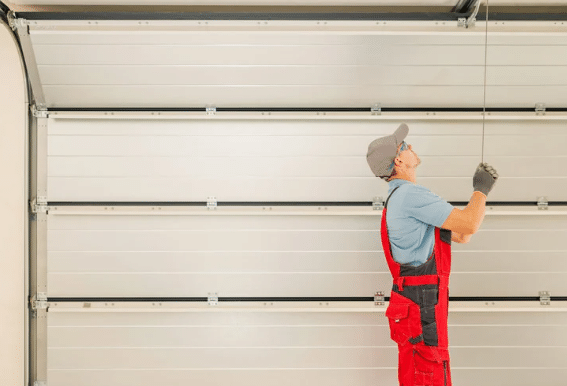
A garage door that stays properly balanced runs more quietly, lasts longer, and puts far less strain on its opener and hardware over time and during everyday use. Correcting an imbalance the right way protects the entire system from damage that a rushed or incorrect attempt could easily cause down the line.
TCAMM Door & Gate brings precise diagnostics and hands-on expertise to every garage door balance repair completed for homeowners across Aledo, TX, and nearby areas. Contact us or give us a call today, and let our trained technicians restore the door’s balance safely and correctly on the very first visit.
Frequently asked questions
Does fixing an unbalanced door always involve the springs?
No, not every fix involves spring tension since loose hardware or a shifted track can also throw a door out of alignment. A trained technician can tell the difference during a garage door repair visit.
How much does it typically cost to fix an unbalanced garage door?
The average cost for this type of repair may depend on the cause, the type of spring involved, and whether other components need attention. A technician can usually give an accurate estimate after a brief evaluation.
Can a garage door be partially fixed and still work normally?
No, a partial adjustment often leaves the door working harder than it should, even if it seems to operate fine. A complete garage door balance test after any repair confirms the fix actually holds.
Is there a difference between fixing a balance issue and replacing a spring?
Yes, fixing a balance issue can sometimes mean adjusting the existing tension, while in other cases it requires a full spring replacement. Knowing how to balance a garage door correctly depends on the situation.
Can attempting a fix without the right tools make the problem worse?
Yes, using the wrong tools or applying the wrong technique can shift additional weight onto one side of the door and deepen the imbalance. A proper garage door adjustment is best left to trained hands with the right equipment for the job.
Does fixing the balance also fix a noisy garage door?
Not always, since some noise comes from separate wear that remains even after the balance has been corrected. A full garage door tune-up can address both issues together during the same service visit.
How soon should a fix be attempted after noticing a balance problem?
A fix should be attempted as soon as possible once a garage door balance check confirms the issue, as delays can strain other parts. Waiting too long often turns a simple adjustment into a bigger job.
Can a homeowner confirm a repair was done correctly?
Yes, a homeowner can confirm this by manually testing whether the door holds steady at the halfway point after the fix. This step reflects basic garage door safety practice that any repair should pass before regular use resumes.
Does every unbalanced door need the same repair approach?
No, the right fix depends on the specific cause, the door's weight, and how long the imbalance has been present. This is why consistent garage door maintenance matters more than following one generic repair method.