Garage door opener parts endure tremendous stress over the years of daily use, and there comes a point when repairing them is no longer practical. Replacing them at the right time keeps the entire system working the way it should and prevents small issues from turning into full breakdowns.
Knowing exactly when replacement becomes necessary is not always obvious, especially when the door still seems to be functioning on the surface. This guide breaks down the key signs, the most commonly replaced components, and the situations where waiting any longer will cost you more than acting now.
What Are the Common Garage Door Opener Parts That Usually Get Replaced?
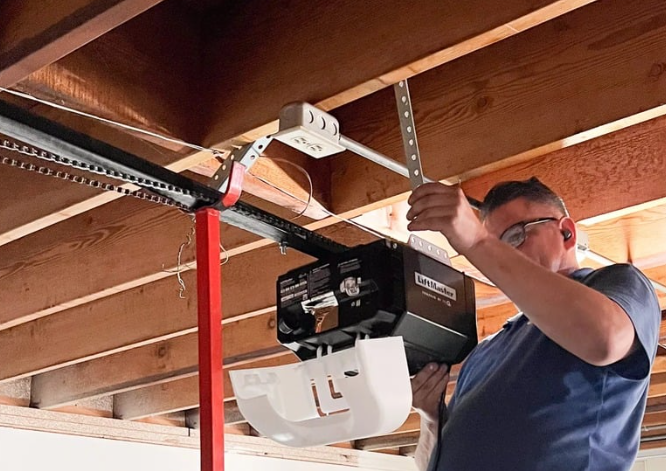
The garage door opener parts that tend to fail first are those that experience the most movement, tension, and electrical load over the life of the system.
| Part Name | Average Lifespan | Why It Is Commonly Replaced |
| Opener Motor | 10 to 15 years | Constant use wears down the motor unit over time |
| Drive Belt, Chain, or Screw | 7 to 12 years | Stretching, fraying, or snapping from daily operation |
| Gears and Sprockets | 5 to 10 years | Plastic sprockets strip easily under heavy loads |
| Safety Sensors | 5 to 10 years | Misalignment, dirt buildup, or electrical failure |
| Remote Control and Keypad | 5 to 10 years | Signal loss, dead batteries, or outdated technology |
To get a full picture of every component in your system before anything starts to fail, read our guide on What Are the Parts of a Garage Door Opener?, which walks through how each part works and why it matters to your opener’s overall performance.
Why Do Garage Door Opener Parts Fail?
Understanding how a garage door opener system breaks down helps you recognize when a part has reached the end of its useful life.
Watch out for these common failure causes:
- Daily cycles put constant mechanical stress on the motor, trolley, and drive system.
- Skipped lubrication and inspections allow dirt and corrosion to build up fast.
- Extreme heat and humidity in Aledo, TX, cause metal and plastic parts to corrode over time.
- Sudden voltage spikes from storms can silently damage the logic board and limit switches.
- Heavy daily use combined with no maintenance accelerates wear across the entire system.
Each of these causes puts a different kind of strain on the system, and the damage they create rarely stays confined to a single part.
What Happens When Garage Door Opener Parts Fail?
Failing garage door opener parts do not just cause inconvenience, as they create a chain of problems that affect the entire system and everyone who uses it.
Here is what you can expect when worn parts are left unaddressed:
- A broken torsion spring or a failing motor can cause the door to drop without warning.
- Faulty photo eyes stop the door from reversing when something is in its path.
- One failing part forces the rest of the kit to carry an extra load, causing them to wear out faster.
- Delayed garage door repair allows damage to spread and drives up the overall cost.
- A complete failure during extreme weather leaves your home exposed and inaccessible.
To catch the early warning signs before a part gives out entirely, read our guide on Signs Your Garage Door Opener Parts Need Repair, which covers the most common indicators Aledo, TX homeowners notice first.
Signs Your Garage Door Opener Parts Need Replacement
Opener Motor — Excessive Noise or Fails to Lift the Door
A garage door motor that strains, grinds, or refuses to lift the door has worn past the point where repairs will restore consistent performance.
Watch for these motor warning signs:
- Grinding or rattling sounds occur during every open and close cycle
- Motor runs continuously, but the door stays completely still
- The door slows down or stops midway through a cycle
- Opener restarts repeatedly before completing a full operation
- The trolley and drive system receive no movement despite the motor running
Motors over 10 to 15 years old displaying these patterns have reached the end of their functional lifespan and need full garage door replacement.
Drive Belt or Chain — Fraying, Sagging, or Snapped
A belt or chain that has lost its tension or structural integrity puts the entire drive system under strain with every single cycle.
Look for these signs along the drive system:
- Visible fraying or cracking runs along the belt surface
- The chain hangs noticeably lower than its normal operating position
- Door jerks or hesitates during travel instead of moving smoothly
- A loud slapping noise comes from the drive area during operation
- The belt or chain shows rust, stiffness, or physical damage on inspection
A drive component in this condition can no longer consistently transfer power to the door, and continuing to run it accelerates wear on every connected part.
Gears and Sprockets — Motor Runs but Door Won’t Move
Worn internal gears and sprockets are among the most common reasons a garage door opener motor runs normally while the door remains completely still.
Pay attention to these gear and sprocket indicators:
- Motor hums or runs, but no movement transfers to the door
- Grinding noise comes from inside the opener housing during operation
- Plastic debris or dust appears beneath the opener unit
- The door moves only slightly before stopping, despite the motor running
- Opener completes a full sound cycle, but the door never travels
Stripped sprockets require a housing inspection to confirm the damage, and once the plastic gears are gone, replacement is the only option.
Safety Sensors — Door Reverses Randomly or Light Keeps Flashing
Garage door opener sensors that misalign, flash repeatedly, or trigger random reversals can no longer confirm a stable signal across the opening.
Watch for these sensor warning patterns:
- The sensor light blinks continuously with nothing in the door’s path
- The door starts closing, then immediately reverses without obstruction
- One sensor light appears dim or goes out during operation
- Closing only works when the wall button is held down manually
- The sensor indicator stays unsteady even after the lens has been cleaned
Sensors displaying these patterns have moved beyond an alignment issue, and replacing the photo eyes is the only way to restore normal closing operation.
Remote and Keypad — Constant Connectivity Issues or Over 10 Years Old
A garage door opener remote or keypad that loses its connection repeatedly can no longer provide the easy access a properly functioning system requires.
Check for these remote and keypad failure signs:
- Fresh keypad batteries and remote batteries do not restore normal function
- Remote only works when held within a few inches of the opener
- The keypad loses its programming after every power interruption
- Garage door opener keypad buttons require multiple presses to register
- Garage door opener remote fails to sync after repeated reprogramming attempts
Older units lacking rolling code technology leave the overhead door vulnerable, and upgrading restores both connectivity and security to the system.
When Should You Replace the Entire Garage Door Opener Unit?
Some situations call for a full unit replacement rather than addressing individual opener parts one at a time.
Here are the clearest signs that a full replacement makes more sense:
- Opener is 10 to 15 years old and showing multiple signs of wear across the system
- Professional garage door opener repair is happening more than once a year, with no lasting results
- Motor runs, but the drive system, trolley, and sprockets all show significant wear
- Opener lacks modern features like battery backup, rolling code, and smart connectivity
- Replacement parts for the existing unit are no longer available or cost-effective to source
An opener that demands constant attention and no longer meets current safety standards is worth replacing outright.
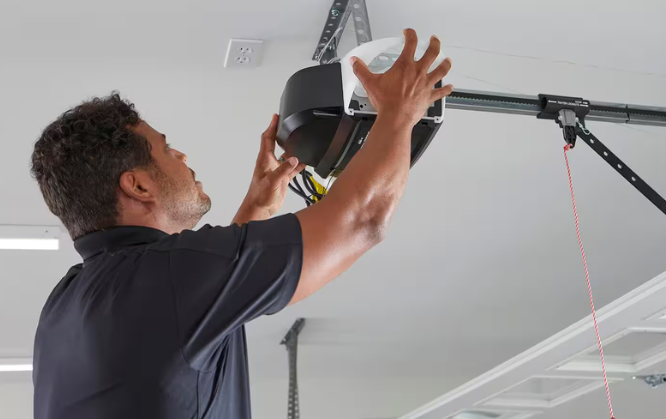
How Professional Technicians Handle Garage Door Opener Replacement
Trained technicians follow a structured process that goes beyond swapping parts to make sure the entire system performs correctly after replacement.
Here is what a professional does during a garage door opener replacement:
- Inspects the garage door springs, cables, and rollers before touching the opener
- Test the limit switches, trolley, and drive system to pinpoint the root cause
- Checks the age and brand of the opener to confirm parts availability and compatibility
- Installs and calibrates the new components to manufacturer’s specifications
- Runs a full safety test before completing the job
Hiring a professional protects both the warranty on your new opener and the long-term performance of the entire system.
How Much Does It Cost to Replace Garage Door Opener Parts in Aledo, TX?
Replacement costs for garage door opener parts vary based on several factors that are worth understanding before committing to any service.
These are the key factors that affect the average cost of replacement:
- The opener brand and model determine the availability and pricing of compatible parts
- Drive system type affects how much labor and how many components are involved
- The age of the unit impacts how difficult it is to source the right parts
- The number of components needing replacement shifts the total cost significantly
- Labor rates vary depending on the complexity of the job
Getting a professional assessment before committing to any work gives you the most accurate picture of what the job will actually require.
How to Maintain Your New Garage Door Opener Parts After Replacement
Keeping your new garage door opener parts in good condition after replacement comes down to a few consistent habits that extend the life of the entire system.
Add these maintenance tasks to your routine:
- Test garage door opener sensors and photo eyes every month for proper function
- Inspect the drive system every few months for wear, slack, or physical damage
- Replace remote batteries and keypad batteries at least once a year
- Lubricate rollers, hinges, and drive components every six months
- Schedule a professional tune-up annually to catch anything that needs attention
To cover every routine check that keeps your opener in top condition, read our guide on How to Maintain Your Garage Door Opener Parts, which gives Aledo, TX, homeowners a complete post-replacement care routine.
Know When Your Garage Door Opener Parts Need to Be Replaced and Get It Done Right
Garage door opener parts wear down gradually, and the warning signs covered in this guide give you everything you need to make an informed decision about your system. Acting on those signs at the right time keeps your opener running efficiently and your home protected throughout every season.
Tcamm Door & Gate has been helping Aledo, TX homeowners with thorough inspections, accurate diagnostics, and dependable garage door services that address every part of the system. Contact us or give us a call today, and let our team assess what your garage door opener parts need to keep everything working the way it should.
Frequently Asked Questions
What is the average lifespan of garage door opener replacement parts?
Most garage door opener replacement parts last between 5 and 15 years, depending on the component and how frequently the door is used. Motors and drive systems tend to last longer, while sensors, remotes, and keypads may need attention sooner.
Can I continue using my garage door opener while waiting to replace a worn part?
It depends on which part is failing and how severe the wear is. Using an opener with a critically worn motor, broken drive component, or malfunctioning sensor puts unnecessary strain on the rest of the system and should be evaluated by a professional before continued use.
How do I find someone who carries parts for a garage door opener in my area?
Searching for a local garage door service company is the most reliable way to find parts for a garage door opener that are compatible with your specific unit. A professional technician will source the correct components and handle the installation to manufacturer's specifications.
Is it worth replacing parts on an older garage door opener, or should I just buy a new one?
Yes, replacing individual parts can still be worth it if the opener is under 10 years old and only one component has failed. Once the unit is past 10 to 15 years old or requires frequent service calls, investing in a new system typically delivers better long-term value.
What happens to the rest of the system when one garage door opener part is not replaced promptly?
Worn parts shift their load to neighboring components, accelerating wear across the entire system. A failing drive component, for example, puts extra strain on the motor, and a misaligned sensor affects the closing cycle and overall performance.
How do I know if the logic board in my opener needs to be replaced?
Common signs include erratic behavior, such as the door opening on its own, the keypad losing its programming, or the opener failing to respond to any command. A technician can test the board directly to confirm whether it needs replacement or if the issue traces back to another component.
Where can I find garage door opener parts near me for a same-day replacement?
Contacting a local garage door service company is the fastest way to find garage door opener parts near me without waiting on shipping or dealing with compatibility issues. Local technicians typically carry the most commonly replaced components for major brands like LiftMaster and Chamberlain.
Are there signs that my entire opener unit needs to be replaced rather than just individual components?
Yes, an opener that requires repairs more than once a year, runs louder than usual, or lacks modern safety features like auto-reverse and rolling code technology is showing signs that a full replacement is the better option. A professional assessment will give you a clear picture of where your system stands.
What should I check before ordering garage door opener replacement parts myself?
Confirming the brand, model number, and age of your opener is the first step before sourcing any garage door opener replacement parts. Purchasing incompatible parts can create new problems, so having a technician verify compatibility before ordering saves both time and money.