
A loud garage door can disrupt your morning routine, wake up the whole household, and turn a simple task into a frustrating experience. The noise is usually a sign that one or more parts of the door system need attention, and ignoring it often leads to bigger problems over time.
Garage door noise reduction doesn’t have to be complicated or expensive when you know what to look for and how to address it. This guide walks you through the most common causes, the parts to inspect, and the most effective tips to get your door running quietly again.
What Are the Most Common Causes of a Noisy Garage Door?
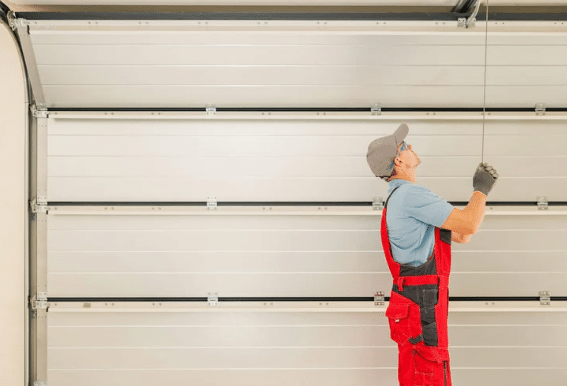
A garage door that starts making unusual sounds is almost always reacting to a mechanical issue that has been building up over time and will only get louder if the root cause is not identified and addressed early.
Common causes of a noisy garage door include:
- Worn-out rollers develop flat spots that create a grinding and bumpy ride along the tracks
- Loose hardware, such as bolts and brackets, vibrates during operation and produces rattling sounds
- Lack of lubrication causes metal parts to grind and squeak instead of moving smoothly
- Damaged or unbalanced springs put excessive strain on the opener and produce loud popping sounds
- Old or cracked weatherstripping drags along the door frame and creates scraping sounds during operation
To understand what each of these causes means for your specific door, read our guide on Garage Door Noise Reduction: What’s Causing the Noise?, which covers the most telling indicators that point to each problem.
Signs Your Garage Door Is Noisier Than It Should Be
Certain noises indicate a problem already affecting the system’s performance and should not be ignored.
Common signs your garage door noise has gone beyond normal include:
- Grinding or scraping sounds mean rollers or tracks are worn and need attention
- Loud banging or popping noises point to damaged springs or a loose chain
- Rattling or vibrating during operation indicates loose hardware along the door frame
- A squeaky garage door means the moving parts are overdue for lubrication
- Uneven or jerky movement accompanied by noise signals an unbalanced or misaligned door
Catching these signs early gives you the best chance of addressing the problem before it leads to unexpected garage door repairs down the line.
Garage Door Parts You Should Inspect for Noise Issues
Knowing which parts to check first saves you time and helps you pinpoint the source of the noise before it causes further damage to the rest of the system.
Key garage door parts to inspect for noise issues include:
- Rollers with flat spots or cracks create grinding and scraping sounds along the tracks
- Loose or worn hinges cause wobbling and squeaking during every cycle
- Damaged springs produce loud popping and banging sounds under the door’s weight
- A loose chain or a struggling opener motor generates excessive noise during operation
- Torn or stiff weatherstripping adds scraping sounds as the door moves along the frame
To get the most out of your inspections and keep noise from returning, read our guide on How Maintenance Helps With Garage Door Noise Reduction, which walks through the maintenance steps that directly address each problem area.
Garage Door Noise Reduction Tips That Actually Work
Replace Worn Steel Rollers With Nylon Rollers
Switching to nylon rollers is one of the most impactful upgrades for quieter and smoother garage door operation.
Signs your rollers are due for a replacement include:
- Visible cracks or flat spots signal that the roller is past its useful life
- Grinding sounds mean the roller has lost its smooth surface
- Steel rollers without sealed bearings transfer more noise to the tracks
- Nylon rollers with sealed bearings absorb vibration and last longer
- Replacing the full set produces the most consistent noise reduction results
Leaving worn rollers in place allows the grinding to worsen until the damage spreads to the tracks and surrounding hardware.
Lubricate Hinges, Rollers, Springs, and the Opener Rail
Proper lubrication of all moving parts yields immediate noise-reduction results with minimal effort.
Key lubrication points to address during every garage door maintenance visit include:
- White lithium grease on hinges eliminates squeaking caused by metal-on-metal friction
- Silicone spray on rollers maintains smooth movement without attracting dirt
- Torsion springs need a light lithium grease coat to reduce stress-related noise
- Lubricating the opener rail stops the drive mechanism from generating grinding sounds
- Wiping away excess lubricant prevents debris buildup on surrounding components
Skipping lubrication allows friction to build up gradually until it wears down the moving components that keep your garage door running quietly and efficiently.
Tighten All Loose Hardware and Brackets
Addressing loose hardware requires nothing more than a basic socket wrench and a few minutes of attention.
Hardware areas worth checking during every routine inspection include:
- Track bracket bolts work loose from constant vibration during operation
- Backed-out hinge screws cause panels to shift and create rattling sounds
- Ceiling-mounted opener brackets loosen over time and amplify motor vibration
- Roller brackets along the door’s sides are common points of loosening under stress
- Firm and steady pressure when tightening prevents stripped threads
Leaving loose hardware unaddressed puts unnecessary strain on surrounding components and may eventually require garage door replacement if the damage worsens.
Upgrade From a Chain-Drive to a Belt-Drive Opener
Switching from a chain-drive to a belt-drive system delivers one of the most noticeable long-term improvements in quiet operation.
Reasons why a belt-drive opener outperforms a chain-drive for noise reduction include:
- Rubber belts eliminate the metal-on-metal contact that makes chain drives loud
- Rubber absorbs movement rather than transferring vibration through the structure
- Most beneficial for garages located beside or below a bedroom
- Chain drives get louder as the chain stretches and loosens over time
- Modern belt-drive openers include battery backup and smartphone connectivity
Leaving an aging chain-drive in place means tolerating noise that will only worsen until the system needs a full garage door opener repair.
Install Garage Door Insulation Panels
Adding insulation panels increases the door’s mass, which dampens vibration and reduces the echo effect inside the garage.
Benefits of installing insulation panels for noise reduction include:
- Foam panels add mass to each section, absorbing sound instead of letting it travel freely
- Insulated doors experience less expansion and contraction, reducing temperature-related noise
- Panels for standard door sections require no special tools to install
- Texas heat in Aledo, TX, accelerates metal fatigue, making insulation especially beneficial locally
- Reduced temperature fluctuation extends the lifespan of other door components
Installing insulation panels is a straightforward upgrade that improves both comfort and performance without requiring professional help.
Add Rubber or Vinyl Weather Seals
Replacing worn weather seals closes the gaps that let noise, air, and rattling into and out of the garage during operation.
Signs that weather seals need to be replaced include:
- Hardened or cracked bottom seals no longer cushion the door’s contact with the ground
- Pulled-away weatherstripping creates gaps that amplify rattling sounds
- Visible light through the edges of a closed door confirms the seals are ineffective
- Rubber seals rated for outdoor use hold up better against Aledo, TX, heat and humidity
- Replacing all seals at once eliminates uneven noise patterns around the frame
Fresh weather seals reduce noise levels and improve the overall condition of the garage.
Use Vibration Dampeners on the Opener Motor
Rubber isolation mounts between the opener motor and the ceiling stop noise from traveling through your home’s walls and floors.
Situations where vibration dampeners make the biggest difference include:
- Garages below bedrooms benefit the most, as motor vibration travels directly upward
- Older openers generate more vibration and see immediate improvement after installation
- Dampeners work best when combined with other noise reduction steps
- Universal-fit dampeners fit the majority of standard opener units
- Mounts must sit between the motor bracket and the ceiling board for maximum effect
Dampeners are one part of a broader approach to garage door soundproofing that keeps operational noise from reaching the living areas of your home.
When to Call a Pro for Noisy Garage Door Repair in Aledo, TX
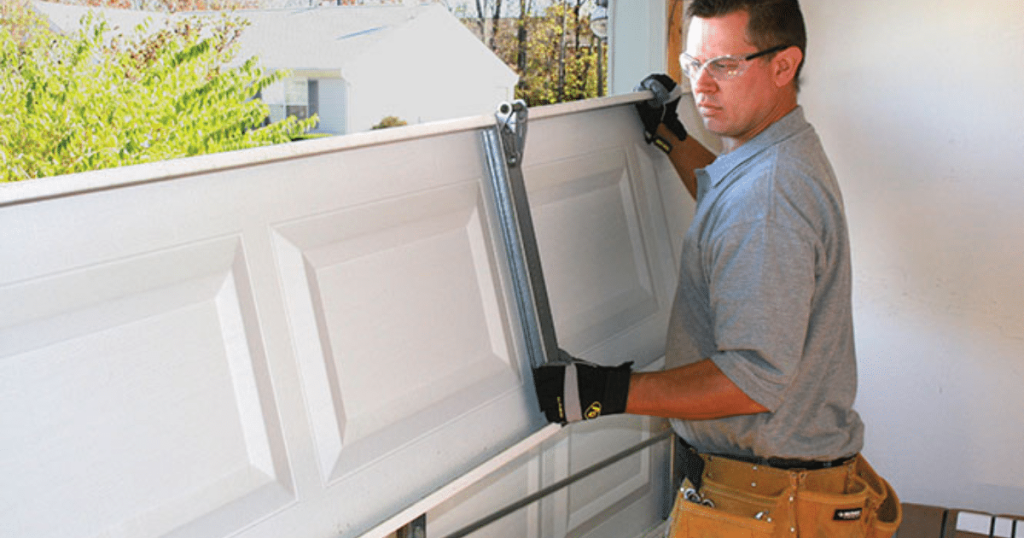
Garage door noise that persists after basic maintenance is often a sign that professional repair is the only path forward.
Situations that call for professional garage door repair include:
- Spring noise requires professional attention due to the extreme tension springs place on the door’s weight
- An off-track or unbalanced door needs expert realignment before damage spreads
- Persistent noise after basic fixes points to an underlying issue beyond DIY
- Worsening grinding with every cycle signals components that need professional repair
- Noise combined with uneven movement means multiple parts need professional inspection
To explore how these situations compare to problems you can handle on your own, read our full guide on Garage Door Noise Reduction: DIY vs. Hiring a Pro, which covers the key differences that help you make the right call.
Try These Garage Door Noise Reduction Tips and Finally Enjoy a Quieter Home
A noisy garage door is more than just an annoyance, and in most cases, the sounds point to worn components, loose hardware, or a system that is overdue for proper attention. Addressing garage door noise reduction early protects your investment and keeps your home running the way it should.
TCAMM Door & Gate is here to help Aledo, TX homeowners get back to quiet and smooth garage door operation. If your garage door is making noise that basic maintenance has not resolved, contact us or give us a call today so our team can take a look before the problem turns into a costly repair.
Frequently Asked Questions
How can I make my garage door quieter at home?
Start by tightening all the hardware and lubricating the moving parts with white lithium grease or silicone spray. Replacing worn rollers with nylon rollers is also one of the most effective ways on how to reduce garage door noise at home.
What type of lubricant works best for reducing garage door noise?
White lithium grease and silicone spray are the two best options for lubricating garage door components. Both reduce friction without attracting excessive dirt or degrading quickly.
Are there any quick fixes for a loud garage door?
Yes. Tightening loose hardware, applying fresh lubricant, and inspecting the weatherstripping are all quick fixes that can reduce noise right away. These steps take less than an hour and require no special tools.
Which garage door parts should I check if my door is making noise?
Rollers, hinges, springs, the opener drive system, and weatherstripping are the first parts to inspect when noise appears. These components take the most wear and are the most common sources of garage door noise when they are not properly maintained.
How often should I lubricate my garage door to keep it quiet?
Lubricating your garage door twice a year is the standard recommendation. If you use your door frequently or live in an area with extreme temperatures, lubricating it every 3 to 4 months is advisable.
Do worn rollers and hinges cause garage door noise?
Yes. Worn rollers and hinges are among the most common sources of garage door noise. Rollers with flat spots create grinding sounds while loose or cracked hinges add squeaking and wobbling during operation.
Can I reduce garage door noise without professional help?
Yes. A noisy garage door fix, like lubricating the parts, tightening hardware, and replacing rollers, is a task most homeowners can handle on their own. However, issues involving springs or track alignment should always be handled by a professional.
Should I replace old garage door parts to decrease noise?
Yes. Worn parts are a leading cause of excessive noise. Replacing components like rollers, hinges, and weatherstripping at the right time keeps the door running quietly and prevents more costly problems.
Is it safe to do garage door noise reduction yourself?
Most basic noise reduction tasks are manageable for homeowners. However, any work involving springs or electrical components should be left to a professional technician to avoid injury.