
The garage door emergency release is designed to give you manual control during a power outage or opener failure. However, there are situations where pulling the red cord can create more risk than relief. In Aledo, TX, changing weather conditions, aging hardware, and unnoticed balance issues can turn a simple disengagement into a safety concern.
From a garage door professional’s perspective, the emergency release is not dangerous on its own. It becomes risky when the door system is unstable or out of balance, which is often when garage door repair is truly needed. This guide explains when to avoid using the emergency release, what warning signs to watch for, and how to make safe decisions without attempting high-tension garage door repair on your own.
Quick Answer
You should avoid using the emergency release if the garage door is partially open, out of balance, crooked in the tracks, showing signs of broken springs or damaged cables, or making grinding or snapping noises. In these situations, disengaging the opener can cause sudden door movement or loss of control.
For a broader understanding of how the emergency release functions within the full system, read Garage Door Emergency Release: How It Works and When to Use It so you can see how balance, springs, and the opener interact.
Avoid Using the Emergency Release When the Door Is Partially Open
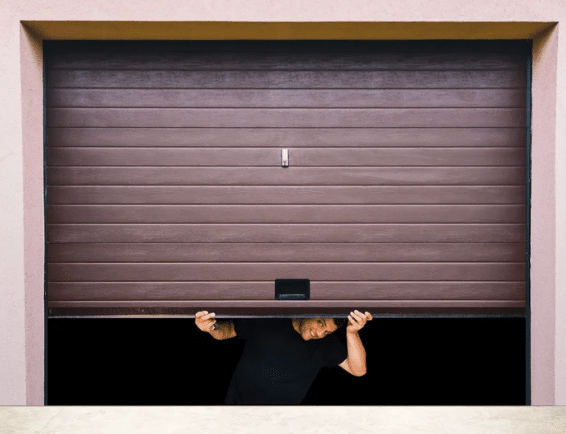
One of the most common unsafe moments happens when the door is halfway open. At that position, spring tension and gravity are both actively influencing the door.
Risks of disengaging mid-travel:
- The door may drop quickly if spring tension is compromised
- The door may tilt if one cable has more tension than the other
- The trolley may be under load, causing a sudden release
If the door is stuck halfway and appears unstable, treat it as a stop-now situation. A door under load can shift faster than expected.
Avoid Disengaging If a Spring Is Broken or Suspected to Be Failing
Springs carry the weight of the door. If a torsion spring breaks, the door can become extremely heavy.
Warning signs of spring problems:
- A visible gap in the torsion spring coil
- A loud bang was heard earlier in the garage
- The door feels significantly heavier than normal
- The door drops quickly when closing
- The opener strains or stalls
Pulling the emergency release when a spring is broken removes the opener’s guidance. That can allow the door to move unpredictably.
Avoid Using It If Cables Are Loose, Frayed, or Off the Drum
Cables keep the door level as it moves. If one cable loses tension, the door can shift unevenly.
Cable-related red flags:
- One cable appears slack
- Fraying near the bottom bracket
- The door closes unevenly or leans
- Scraping sounds along one track
In Aledo’s storm seasons, moisture can accelerate cable corrosion. If cable damage is visible, avoid disengaging the opener because the door may bind or drop unevenly.
Avoid Pulling the Cord If the Door Is Crooked in the Tracks
A crooked door often means uneven tension or track alignment issues. Disconnecting the garage door opener in this condition removes motor control.
Signs of track or alignment trouble:
- The bottom of the door does not sit level
- One side reaches the ground before the other
- Grinding or rubbing noises during travel
- Visible track gaps or bent sections
If the door is not traveling straight, it is safer to stop using it entirely until it is inspected.
Avoid Using the Release During Active Mechanical Noises
Unusual sounds are warning signals.
Noises that call for caution:
- Sharp snapping
- Grinding or scraping
- Loud popping
- Repeated clicking
These sounds often indicate stress in springs, cables, rollers, or the opener gear assembly. Pulling the release while components are under stress can make the situation worse.
Avoid Disengaging If the Door Feels Extremely Heavy
If you briefly test-lift the door and it feels unusually heavy, stop immediately.
A properly balanced garage door should:
- Lift smoothly with moderate effort
- Stay halfway open without drifting
- Close in a controlled manner
If it feels like you are lifting most of the weight yourself, spring tension may be compromised. Disengaging the opener fully removes controlled motor assistance.
Avoid Using the Release When Weather Conditions Create an Extra Load
In Aledo, TX, the weather can create temporary but significant door stress.
Situations to pause:
- Ice is bonding the bottom seal to the floor
- Swollen seals pressing tightly against the frame
- Storm debris is lodged in the track
- High wind pressure against a large door panel
If the door is resisting movement due to environmental factors, forcing the release can increase strain on the hardware.
Avoid Pulling the Cord Repeatedly If It Feels Jammed
If the emergency release cord feels stuck, do not turn it into a strength contest.
Repeated force can:
- Damage the trolley latch
- Strip internal opener parts
- Bend the rail slightly out of alignment
- Create sudden disengagement under load
If the cord does not move smoothly, pause and assess instead of pulling harder.
For more on the mechanical causes behind a jammed release, review Why Does a Garage Door Emergency Release Get Stuck? to understand what may be happening inside the system.
Avoid Using the Release Without a Basic Visual Check
Before disengaging, always take a few seconds to observe.
Quick safety checklist:
- Is the door fully closed?
- Does it look level at the bottom?
- Are cables evenly tensioned?
- Is there visible spring damage?
- Are there grinding or popping noises?
If any of these checks raise concern, do not proceed with disengagement.
DASMA safety guidance supports taking a brief safety-first approach, including noticing wear and warning signs early, before you interact with parts that can be affected by high tension.
What to Do Instead of Pulling the Cord
If you encounter any of the red flags above, the safer approach is to:
- Stop cycling the opener
- Keep the door in its current stable position
- Avoid standing directly under the door
- Schedule a professional inspection
If the situation involves a power outage and safe access is the concern, read How Do You Use a Garage Door During a Power Outage?
Why Caution Matters More Than Convenience
In real service calls around Aledo, the most serious garage door injuries happen after a homeowner tries “one more time.” The emergency release is safe when used correctly on a stable door. It becomes risky when the system is already compromised.
The goal is not to avoid using it entirely. The goal is to recognize unstable conditions before disengaging the opener.
Safety Comes First When Your Door Shows Warning Signs
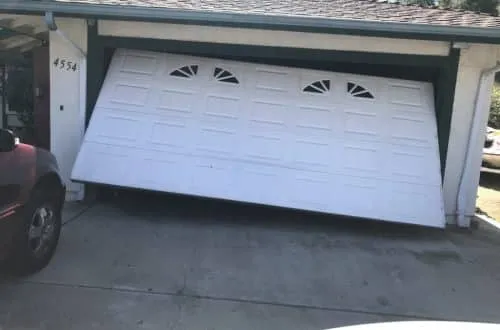
The emergency release is a valuable safety feature, but it is only safe when the garage door system is balanced and operating correctly. In Aledo, TX, heat, storms, moisture, and everyday wear all influence how stable your door remains over time. Recognizing when to avoid using the emergency release can prevent sudden door movement, property damage, and serious injury.
If your garage door feels heavy, crooked, noisy, or unpredictable, the safest next step is a professional inspection. TCAMM Door & Gate provides experienced garage door service in Aledo and the surrounding areas. If your emergency release system does not seem safe to operate or your door shows signs of instability, contact us or give us a call to schedule a professional evaluation before a minor issue becomes a major repair.
Frequently Asked Questions
Is it dangerous to use the emergency release during a storm?
It can be if wind pressure is pushing against the door or if debris is affecting the tracks. Sudden movement caused by wind load can make the door unstable once disconnected. Waiting until conditions are calm is usually the safer option.
What if my garage door is making noise but still opening?
Unusual noises such as grinding, snapping, or popping are warning signs. Even if the door still moves, those sounds often indicate tension or alignment problems. Disconnecting the opener in that condition can remove controlled movement and increase risk. Family Handyman notes that new noises or rough travel are common early indicators of wear that should be addressed before the system becomes unreliable.
Should I disengage the opener if the door looks slightly uneven?
No, a door that appears uneven may have cable tension issues or track misalignment. Pulling the release can allow the door to shift further out of alignment. A professional inspection is the safer n
Can a heavy garage door become dangerous after pulling the release?
Yes, a door that feels unusually heavy may have spring failure. Once the opener is disconnected, you are supporting more of the door’s weight manually. That increases the risk of sudden drops or strain injuries.
What if the emergency release cord feels very tight?
A tight cord can mean the trolley is under load or the latch is binding. Pulling harder can damage internal opener parts. It is safer to stop and inspect the door’s stability before attempting again.
Is it safe to test the emergency release just to make sure it works?
Testing is safe only when the door is fully closed, balanced, and moving smoothly. If there are any signs of wear or instability, testing can create unnecessary risk. Annual checks during maintenance visits are typically sufficient.
Can disengaging the opener make track problems worse?
Yes, if the door is already rubbing or binding in the tracks, removing motor guidance can allow the door to shift. That can increase roller wear or cause additional misalignment.
Does temperature change affect whether I should use the release?
Yes, extreme heat or cold can affect metal expansion and lubrication. If the door feels stiffer than usual during temperature swings in Aledo, it is wise to pause and inspect before disengaging.
What is the safest rule of thumb before pulling the red cord?
If the door is closed, level, quiet, and moving smoothly, it is generally safe to disengage. If it is crooked, noisy, heavy, or partially open, stop and schedule service instead of taking the risk.