A garage door emergency release is one of the most important safety features in your entire garage door system. Most homeowners in Aledo, TX, do not think about it until the power goes out, the opener stops responding, or the door refuses to move. The emergency release is simple in design, but it connects to parts under high tension. Understanding how it works, when to use it, and when to stop can prevent damage, injury, and expensive garage repairs.
This guide breaks everything down in clear terms. You will learn how the system operates, what to check before pulling the cord, and how North Texas weather conditions can affect performance. Knowing when a problem requires a simple manual release and when it calls for expert garage door repair in Aledo, TX, can help protect both your home and your safety.
What Is the Garage Door Emergency Release?
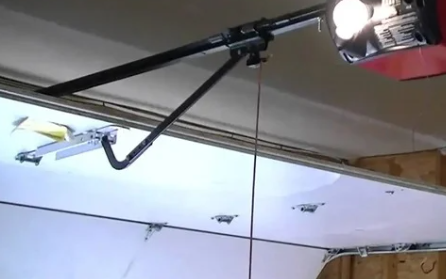
The garage door emergency release is the red cord hanging from the opener rail. When pulled, it disconnects the opener trolley from the door, allowing manual operation.
It is designed for:
- Power outages
- Opener failure
- Emergency exit situations
- Situations where the door must be opened manually
However, pulling it at the wrong time can cause sudden door movement if the spring system is compromised.
If you want a power-outage-focused guide, read How Do You Use a Garage Door During a Power Outage? for safety considerations specific to emergency conditions.
What the Emergency Release Actually Connects To
Many homeowners assume the red cord controls the springs. It does not.
It disconnects the opener carriage from:
- The opener rail
- The trolley mechanism
- The drive system (chain, belt, or screw drive)
The springs are what actually lift the door. The opener only guides movement.
If the torsion spring, extension springs, cables, or drums are damaged, disconnecting the opener may reveal a balance issue immediately.
How the Garage Door Counterbalance System Works
To understand the emergency release, you must understand balance.
A standard residential garage door in Aledo can weigh:
- 130 to 200 pounds for a single door
- 250 to 400+ pounds for a double door
The torsion spring system stores mechanical energy. When properly calibrated, it allows the door to:
- Lift smoothly
- Stay halfway open without drifting
- Close without slamming
If the balance is off, pulling the release may cause the door to:
- Drop suddenly
- Feel extremely heavy
- Rise unevenly
If you suspect an imbalance, read When Should You Avoid Using the Emergency Release? to understand high-risk situations before pulling the cord.
When Is It Safe to Use the Emergency Release
Under normal conditions, it is safe to use the release when:
- The power is out
- The garage door opener motor has failed
- The door is fully closed
- The door appears level and stable
- There are no visible cable issues
Best practice in Aledo: always disengage the release when the door is in the fully closed position. This reduces the risk of gravity pulling it down unexpectedly.
When You Should Not Pull the Red Cord
There are times when using the emergency release can create danger.
Avoid using it if:
- The door is stuck halfway open
- A spring is broken
- Cables appear loose or frayed
- The door is crooked in the tracks
- You hear snapping or grinding noises
If the release does not move or feels jammed, read Why Does a Garage Door Emergency Release Get Stuck? before forcing it.
Forcing the release can damage:
- The opener trolley
- The internal gear assembly
- The rail alignment
How to Use the Emergency Release During a Power Outage
In Aledo, TX, storms and grid interruptions can leave homeowners without power. During a power outage:
- Confirm the door is fully closed.
- Pull the red cord straight down.
- Lift the door manually using both hands.
- Move slowly and watch for resistance.
Humidity and seasonal storms in Parker County can accelerate cable corrosion and spring fatigue. That can change how smoothly the door moves once it is disconnected from the opener.
How to Reconnect the Emergency Release Properly
Reconnecting is often misunderstood.
After power returns:
- Pull the cord toward the opener to reset the latch.
- Move the door until the trolley re-engages.
- Test the opener cycle once.
If the trolley will not reconnect, do not force it. That commonly signals rail alignment issues, carriage wear, or a door that is not moving smoothly.
Signs the Emergency Release System Has a Problem
Here are warning signs that need professional inspection:
- The cord pulls, but the door does not disengage
- The door disengages but will not reconnect
- Release feels unusually tight
- The trolley sticks to the rail
- The door slams after disconnecting
In Aledo homes, dust and debris from wind and nearby construction can accumulate in opener rails, contributing to sticking or grinding. If those symptoms show up repeatedly, it is usually a sign that the system needs service instead of more force.
Weather Factors in Aledo That Affect Performance
Local climate matters more than most homeowners realize.
Aledo experiences:
- High summer heat
- Sudden temperature swings
- Occasional ice events
- Storm-driven moisture
These conditions can cause:
- Metal expansion and contraction
- Lubrication breakdown
- Rust formation on cables
- Spring tension changes
A door that worked fine last season may behave differently after a heatwave or cold snap. That is why an emergency release that used to feel smooth can start acting unpredictably over time.
Preventive Maintenance to Avoid Emergency Release Problems
You do not need to repair the system yourself to reduce risk. Focus on observation and early warning signs.
Check visually:
- Cable condition
- Spring integrity
- Track alignment
- Roller wear
- Opener rail cleanliness
Listen for:
- Grinding
- Popping
- Sudden loud bangs
- Uneven travel
Test the balance once per year by lifting the door halfway only if the springs and cables appear intact. If it drifts quickly or feels unusually heavy, schedule service before it becomes a safety issue.
Preventive service in Aledo typically costs less than an emergency spring replacement or opener rebuild after damage spreads. If you are unsure what you are seeing, a quick inspection can help you avoid a larger breakdown later.
When to Call a Professional in Aledo, TX
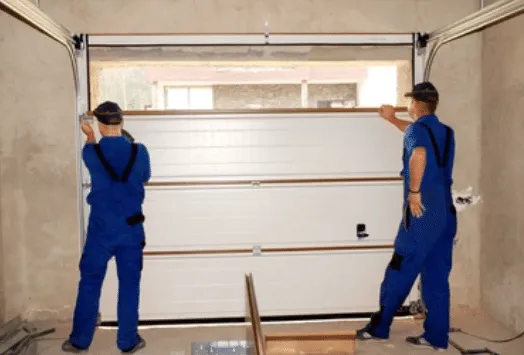
Call for service if:
- A spring break
- Cables unravel
- The door drops fast
- The release mechanism jams repeatedly
- The door feels heavier than usual
High-tension parts require specialized tools and training. Improper handling can lead to serious injury, and it can also cause additional damage to the opener or door hardware.
If your garage door system shows instability, it is safer to stop using it until it is inspected. A controlled service visit is always safer than forcing a door that is already warning you.
UL Standards & Engagement highlights that garage door systems are regulated under strict safety standards due to the high-force mechanisms involved.
Protect Your Garage Door System Before an Emergency Happens
The emergency release is not just a red cord. It is a safety feature tied into a high-tension system that must remain balanced and maintained.
In Aledo, TX, weather shifts, seasonal storms, and normal wear influence how your garage door behaves. Understanding how the release works, when to use it, and when to avoid it can reduce the risk of sudden failure and protect your household.
If your door feels unstable, heavy, or unpredictable, the safest next step is a professional inspection. TCAMM Door & Gate provides garage door service in Aledo and nearby areas, so if your emergency release is not operating correctly or your door balance feels off, contact us or give us a call to schedule a professional evaluation before a minor issue turns into a major repair.
Frequently Asked Questions
Why does my door feel heavier after pulling the release?
This usually indicates a spring issue. The opener was compensating for lost tension, and disconnecting it reveals the imbalance. If the door suddenly feels much heavier than normal, avoid repeated attempts and schedule service.
Should I test my emergency release regularly?
Yes, but only when the door is closed and appears stable. Annual testing during routine maintenance is usually sufficient. If the cord feels stiff or the trolley does not disengage cleanly, that is a sign the system needs inspection.
Can I open my garage door alone during a power outage?
If the door is properly balanced, most adults can lift it. If it feels extremely heavy, stop and call for service. Lifting a heavy door can cause strain, and a door with a spring problem can move unpredictably.
What happens if a spring breaks while the door is disconnected?
The door can drop rapidly. This is why pulling the release when springs are damaged is dangerous. Even if the door is on the floor, a broken spring can still make the next lift attempt unsafe.
Does humidity affect garage door springs?
Yes. Moisture accelerates corrosion, which weakens spring steel over time. In stormy seasons, corrosion can also affect cables and bottom brackets, which adds to the overall risk.
Why won’t my opener reconnect after I pull the cord?
The trolley may not be aligned with the carriage. It can also signal internal wear inside the opener mechanism. If re-engagement keeps failing, the safest move is to stop cycling the opener and schedule service.
Is it safe to leave the door disengaged overnight?
It is not recommended. The opener provides additional stabilization and security. If you must leave it disengaged briefly, keep the door fully closed and avoid leaving it in a partially open position.
Can extreme heat change how my garage door operates?
Yes. Metal expansion and lubrication thinning in Texas summers can affect movement and spring behavior. Heat can also increase opener strain, especially if rollers or tracks already have wear.
What is the most common emergency release mistake homeowners make?
Pulling the cord while the door is partially open and unstable. Always disengage with the door fully closed when possible. If the door is stuck mid-travel, treat it as a safety issue and get it inspected.