
A power outage always seems to happen at the worst possible time. In Aledo, TX, storms, lightning, grid interruptions, and sudden weather shifts can leave homeowners without power for hours. When that happens, your automatic garage door opener will not function, and the only way in or out may be through manual operation.
The key is not just knowing how to pull the emergency release. The real priority is using it safely, especially if the door system has balance problems, worn springs, or damaged hardware that may call for garage door repair. A garage door is one of the largest moving parts in your home. During an outage, safety comes before speed. This guide explains how to operate your garage door during a power outage, what to check first, and when to stop and call for professional garage door repair.
Quick Answer
To use a garage door during a power outage, make sure the door is fully closed, pull the emergency release cord straight down to disconnect the opener, and lift the door manually using steady, controlled movement. If the door feels unusually heavy, crooked, or unstable, stop immediately and do not force it.
If you are unsure about the safety of disconnecting the opener in your specific situation, read When Should You Avoid Using the Emergency Release? for a safety-focused breakdown.
Step One: Confirm the Door Is Fully Closed Before Disengaging
The safest time to pull the emergency release is when the garage door is completely closed and resting on the ground. This minimizes stored movement and reduces the risk of sudden travel.
Before pulling the cord:
- Check that the bottom of the door sits level on the floor
- Make sure there is no visible tilt
- Listen for grinding or tension noises
- Confirm no cables appear loose or slack
If the door is partially open during the outage, be cautious. A door that is not fully supported by its springs can shift quickly once disconnected.
Step Two: Pull the Emergency Release Properly
Locate the red emergency release cord hanging from the garage door opener rail. Pull it straight down in a firm, controlled motion.
Important reminders:
- Do not yank repeatedly
- Stand clear of the direct path of the door
- Keep your hands away from cable drums and spring areas
- Use steady force rather than jerking the cord
When disengaged, the opener trolley will separate from the door arm. At that point, the door is fully manual.
If the cord feels jammed or does not disengage cleanly, read Why Does a Garage Door Emergency Release Get Stuck? before applying more force.
Step Three: Lift the Door With Controlled Movement
Once disconnected, lift the door evenly using both hands placed near the center of the door panel.
A properly balanced garage door should:
- Lift smoothly without excessive force
- Stay open halfway without drifting
- Move without scraping or binding
If the door feels extremely heavy, this may indicate spring tension problems. Do not attempt to force it open if it feels unsafe.
In Aledo, seasonal humidity and heat can accelerate spring wear. A door that felt normal last year may feel heavier now if the springs are weakening.
Step Four: Secure the Door in the Open Position
If you need to leave the garage open during the outage:
- Raise the door fully
- Make sure it stays in place without drifting
- Avoid standing directly underneath
- Minimize repeated opening and closing
If the door will not stay open on its own, it is not properly balanced. Lower it carefully and avoid repeated lifting.
Step Five: Closing the Door Manually
To close the garage door during a power outage:
- Hold the door firmly
- Guide it downward slowly
- Keep your hands clear of pinch points
- Do not let it drop freely
A door that drops quickly is a strong sign of a spring imbalance. In that situation, avoid using the door again until it is inspected.
Special Considerations During Storm Conditions in Aledo
Power outages in Aledo often happen during severe weather. Environmental factors can increase risk.
Be cautious if:
- Wind pressure is pushing against the door
- Storm debris is in the tracks
- Water intrusion has reached the bottom seal
- Lightning caused a sudden stop mid-cycle
High wind pressure against a large garage door panel can create unexpected resistance once the opener is disconnected. If conditions feel unstable, wait until it is safe.
Storm-related moisture can also affect bottom seals, and The Spruce explains that worn or swollen garage door seals can create added resistance against the floor during weather shifts.
What If the Door Is Partially Open When Power Fails?
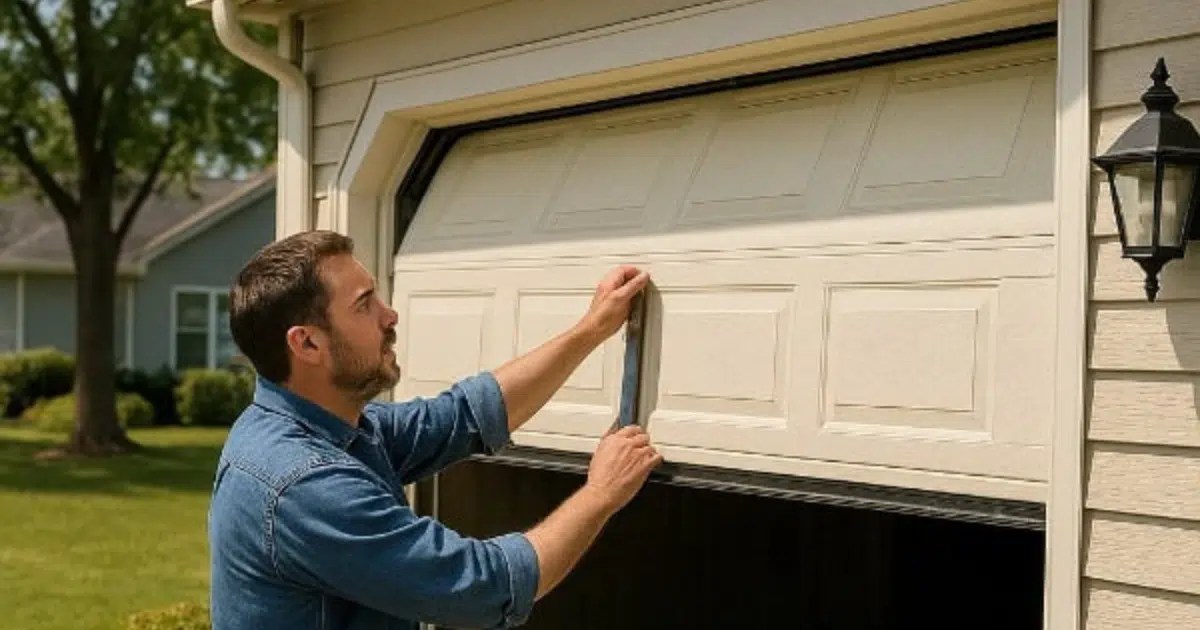
This is one of the most stressful scenarios.
If the door is stuck halfway:
- Avoid standing directly under it
- Do not rush to disengage immediately
- Assess whether it appears level and stable
- Listen for tension noises
If it appears crooked or heavy, it is safer to call for professional help rather than pulling the release under load.
How to Reconnect the Door After Power Returns
Once power is restored:
- Make sure the door is fully closed
- Pull the emergency release cord toward the opener to reset the latch
- Activate the opener once to allow the trolley to reconnect
If the trolley does not reconnect smoothly, do not force it. Repeated cycling can strain the opener gear assembly.
If reconnection problems continue, read Garage Door Emergency Release: How It Works and When to Use It to understand how the latch mechanism operates within the opener rail system.
Signs You Should Stop and Call for Service
During an outage, convenience should never override safety.
Stop using the door if:
- It feels unusually heavy
- It travels crooked
- You hear snapping or grinding
- It will not stay open halfway
- It drops quickly when closing
These signs indicate deeper mechanical issues involving springs, cables, or alignment.
Preventive Planning Before the Next Outage
The safest outage experience is the one you prepare for.
Preventive steps include:
- Annual professional inspection
- Checking door balance once per year
- Keeping opener rails clean
- Monitoring cables for corrosion
- Listening for changes in sound
In Aledo’s climate, routine maintenance reduces the chance of discovering a mechanical problem in the middle of a storm.
Why Manual Operation Should Feel Smooth
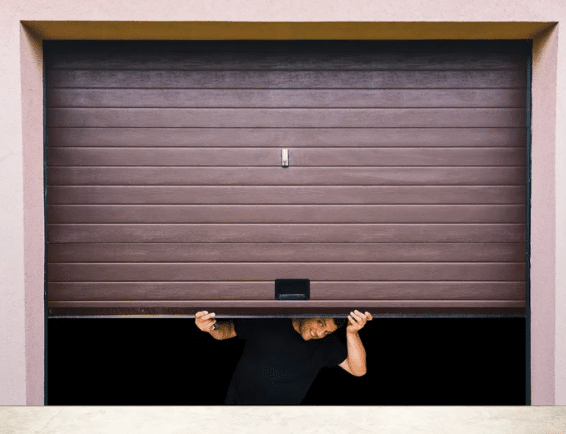
A garage door that is healthy and balanced should not feel intimidating during manual operation. The springs are designed to offset most of the weight. If lifting the door feels like lifting the entire door mass, the system needs attention.
Manual operation during a power outage is a backup plan, not a daily routine. If the backup plan feels risky, it is time for professional service. Ready.gov advises homeowners to secure entry points and reduce avoidable risks during outages, especially when severe weather is involved.
Prepare Your Garage Door Before the Power Goes Out
A power outage should not turn into a safety emergency. The emergency release system is designed to give you manual access, but it only works safely when the garage door is balanced and operating correctly. In Aledo, TX, storms, heat, moisture, and normal hardware wear all influence how smoothly your garage door performs when the opener loses power.
If your door feels heavy, unstable, or unpredictable during manual operation, the safest next step is a professional inspection. TCAMM Door & Gate provides experienced garage door service in Aledo and the surrounding areas. If your garage door does not operate smoothly during an outage or your emergency release system feels unsafe, contact us or give us a call to schedule a professional evaluation before a minor issue becomes a major repair.
Frequently Asked Questions
Is it safe for one person to lift the garage door manually?
If the door is properly balanced, most adults can lift it safely. If it feels extremely heavy or unstable, stop immediately. A heavy feel usually signals spring tension problems.
What if the garage door will not stay open during an outage?
A door that will not stay open halfway is likely out of balance. That often means spring tension is weakened. Avoid repeated lifting and schedule service.
veven?Can I damage the opener by pulling the release during an outage?
No, if the door is closed and stable. Problems occur when the door is under load or mechanical parts are already strained. Proper disengagement protects the opener rather than harming it.
Should I disconnect the opener before every storm?
It is not necessary unless there is a reason to operate manually. However, knowing where the release is located and how it works ahead of time is helpful. Practice only when the door is closed and stable.
Why does my garage door feel heavier in summer?
Heat can affect metal expansion and lubrication. Seasonal wear may also expose weakening springs. If the weight difference feels noticeable, have it inspected.
Can strong wind make manual operation dangerous?
Yes, wind pressure against the door panel can create resistance or sudden movement. Avoid manual operation during active high winds if possible.
What if the emergency release cord breaks?
A broken cord prevents safe disengagement. The latch mechanism may still function, but it should be repaired professionally. Do not attempt to operate the latch directly without proper tools.
Does humidity affect garage door performance during outages?
Humidity can accelerate corrosion and affect moving parts. Over time, that can make manual operation feel rougher or less predictable.
How often should I test manual operation?
Testing once a year during maintenance is generally sufficient. Always test with the door fully closed and visually stable. If anything feels unusual, schedule service rather than troubleshooting alone.