A stuck garage door emergency release can feel like the worst kind of surprise because it usually happens when you already need the door to cooperate. In Aledo, TX, this often shows up during storm season, after a power outage, or on a hot afternoon when metal hardware expands, and the door starts traveling a little rough. Most of the time, the cord is not “the problem” by itself. It is reacting to tension, binding, or misalignment somewhere in the door and opener system.
A stuck release is a safety signal. The emergency release connects to the opener trolley, and when that trolley is loaded with force, the release latch may not move freely. That excess strain is often caused by spring imbalance, track obstruction, or opener calibration issues that require proper garage door repair rather than force. The safest goal is to stabilize the door, reduce risk, and determine what is causing the strain without turning this into a do-it-yourself garage door repair lesson.
Quick Answer
A garage door emergency release commonly gets stuck when the opener trolley is under load, the door is out of balance, the rail or carriage is slightly misaligned, or the release latch is not moving freely. The safest next step is to stop pulling harder, keep the door in a stable position, and do a brief visual check for crooked travel, loose cables, or spring damage before cycling the door again.
If you want to understand what the emergency release actually connects to, read Garage Door Emergency Release: How It Works & When to Use It.
What “Stuck” Usually Means in Real Driveway Situations
Homeowners in Aledo describe “stuck” in a few different ways, and the wording matters because it points to what is happening inside the system.
Common stuck-release situations include:
- The red cord pulls, but the door does not disengage from the opener
- The cord barely moves, like it is locked in place
- The door disengages once, then will not re-engage later
- The trolley seems to jam on the rail during movement
- The door feels heavy or unstable right after disconnecting
In most cases, the release is responding to force. The key is identifying what is loading the trolley or causing the door to bind.
If you are about to pull the cord and something feels off,When Should You Avoid Using the Emergency Release gives the stop-now signals that matter most.
Why This Happens More Often Around Aledo
Aledo weather and local conditions can push a door from “almost fine” into “suddenly not fine.”
Common local contributors:
- Heat that expands metal and tightens tolerances in tracks and rails
- Wind-blown grit that collects along the garage door opener rail and rollers
- Storm moisture that accelerates corrosion on cables and bearings
- Seasonal shifts that expose a door slowly losing its balance
A door can still open with an opener even when it is not moving cleanly. When you try to disconnect it, the release latch may feel jammed because the system is already under strain.
Federal weatherization resources from the Department of Energy confirm that moisture and temperature shifts accelerate corrosion in exposed metal hardware throughout the home.
Door Balance Issues That Load the Trolley
The opener is not the lifting system. The springs are. The opener guides motion and provides controlled movement, but it expects a balanced door.
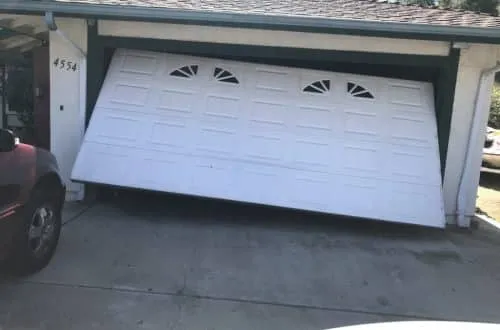
When the balance is off, the trolley can be “loaded,” meaning it is holding back force or pushing against resistance. A loaded trolley often makes the release feel stuck because the latch is fighting tension.
Clues’ balance is the underlying issue:
- The door feels heavier than usual during a brief manual lift check
- The door will not stay halfway open without drifting
- The door drops faster than expected when closing
- The opener strains, stalls, or reverses unexpectedly
- Travel looks jerky instead of smooth
If balance seems questionable, treat the release as a stop-and-check moment rather than a force-through moment.
Spring Problems That Turn a Simple Pull Into a Safety Risk
A failing or broken spring is one of the most common reasons a door becomes dangerous, and it can also cause the emergency release to disengage poorly or feel “locked.”
What to check visually from a safe distance:
- A visible gap in the torsion spring coil above the door
- A door that suddenly feels much heavier than normal
- Cables that appear slack near the drums
- A door that looks slightly tilted even when closed
- A loud bang earlier, followed by a rough operation
If spring damage is suspected, stop cycling the door. The safest next step is professional service because spring and cable systems store high tension.
Angi’s guidance on broken garage door springs reinforces that once a spring fails, the door can become dangerously heavy and unstable, which is why spring-related release problems should be handled by a professional.
Cable Issues That Create Crooked Travel and Binding
Cables help keep the door level as it moves. If one cable is compromised, the door can travel crooked, rub the track, and bind under load. That binding increases strain on the opener and can make the emergency release feel stuck because the trolley is being pulled out of its normal alignment.
Red flags that point to cable trouble:
- One cable looks looser than the other
- Fraying near the bottom bracket area
- The door closes with a slight lean to one side
- Scraping sounds or visible rubbing on one track
In Aledo, moisture after storms and high humidity swings can speed up cable corrosion, especially on doors that have gone a long time without service.
Track Misalignment and Roller Wear That Make Disengagement Hard
A door can appear normal until you disconnect it. The opener can mask rough travel by forcing movement, but the emergency release exposes the true friction level.
Common friction sources:
- Track sections that are slightly bent from minor impacts
- Track brackets loosen gradually over time
- Rollers that drag instead of rolling cleanly
- Debris buildup along track edges
Quick, safe observations:
- Check if the tracks look parallel and evenly spaced
- Watch for wobbles or jerky travel during a short movement
- Listen for grinding, squealing, or popping
If the door is binding, the trolley may be loaded, and a loaded trolley often makes the release latch feel stubborn.
Opener Trolley and Release Latch Wear
Sometimes the problem is in the trolley assembly itself. The emergency release operates a latch that locks and unlocks the trolley from the door arm.
Common trolley-related causes:
- The latch is worn and not pivoting cleanly
- The pull cord is twisted, knotted, or shortened
- The trolley is riding rough due to rail debris
- Rail supports have loosened and shifted alignment slightly
Safe checks that help:
- Inspect the cord for twisting, knots, or shortened length
- Check for debris along the opener rail
- Watch the trolley for wobbles during a brief opener run
If the latch action looks inconsistent, avoid repeated disconnect attempts because it can worsen wear inside the trolley mechanism.
Pulling the Cord While the Door Is Partly Open
This is a common moment where a homeowner says the cord “won’t pull.” When the door is partly open, spring tension and gravity are both active, and the system may be loaded in a way that prevents the latch from moving easily.
When the door is mid-travel:
- The trolley may be holding force
- The door can shift suddenly when it disengages
- The door may tilt and increase cable imbalance
If your door is partly open and feels unstable, it is usually safer to stop and call for service rather than trying to “power through” the release.
Power Outages and the “Locked-In” Feeling
During outages, homeowners often discover the release issue under pressure. In storm conditions around Parker County, a door may also be dealing with moisture, swollen seals, or debris, which increases binding.
Outage-related reasons the release feels stuck:
- The opener stopped mid-cycle, and the trolley is loaded
- The door is pressing against a swollen bottom seal during a cold snap
- The door is jammed against a lock or latch alignment issue
- The door was left partially open before the power loss
If outages are the main concern for your home, it helps to have a plan before the next storm hits.
If the power is out and you need safe access immediately, How Do You Use a Garage Door During a Power Outage? explains what to do step by step.
Quick Checks That Help Without Turning Into Repairs
You do not need to repair anything to gather useful clues. A short assessment can tell you whether the safest move is to stop immediately.
Quick checklist:
- Confirm the door is fully closed and stable
- Check if the door looks level across the bottom
- Look for slack, fraying, or uneven cable tension
- Inspect the spring area for a visible gap
- Listen for grinding or sharp snapping sounds
- Observe the trolley position and rail condition from a safe distance
NAHB’s routine home maintenance guidance supports performing simple visual inspections of mechanical systems before problems escalate, which is why brief, structured checks can help identify tension or alignment issues early.
Common Mistakes That Make a Stuck Release Worse
A stuck release becomes dangerous when force becomes the strategy.
Avoid:
- Repeated hard yanks on the cord
- Standing under the door while testing disengagement
- Trying to lift a heavy door quickly after disengaging
- Adjusting springs, cables, drums, or bottom brackets
- Cycling the opener repeatedly when the door is crooked
If the system is warning you, stop and switch from “try again” to “inspect and call.”
When It Is Time to Call an Expert
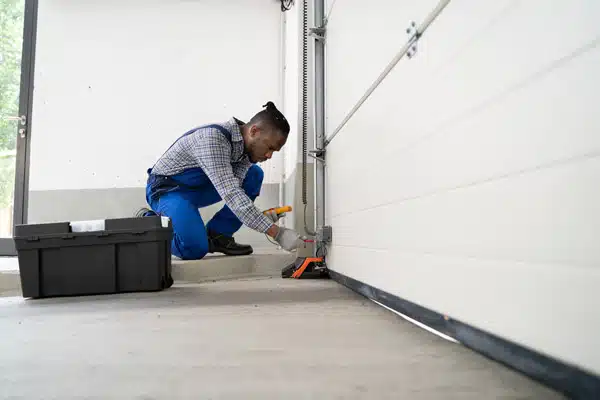
Schedule service when:
- The cord will not disengage and feels locked
- The door is heavy, crooked, or drops faster than expected
- You see frayed cables, slack cables, or spring damage signs
- The trolley will not re-engage reliably
- The door binds in the tracks or makes harsh grinding sounds
In many Aledo homes, the real path forward is restoring smooth travel and a correct balance so the release latch is no longer fighting load.
Restore Smooth Operation Before Tension Causes Damage
A stuck emergency release is not just an inconvenience. It is a signal that your garage door system may be under tension, misaligned, or experiencing wear that needs attention. In Aledo, TX, heat, seasonal storms, wind-driven debris, and normal hardware aging can all affect how smoothly the opener trolley and release mechanism operate. Understanding why the release gets stuck and knowing when to stop pulling can prevent sudden door movement, additional hardware damage, and unnecessary safety hazards.
If your emergency release feels jammed, your door travels unevenly, or the system seems unstable, the safest next step is a professional inspection. TCAMM Door & Gate provides experienced garage door service in Aledo and the surrounding areas. If your emergency release system is not operating correctly or your door balance seems off, contact us or give us a call to schedule a professional evaluation before a minor issue becomes a major repair.
Frequently Asked Questions
What if the red cord pulls, but nothing happens?
That often indicates the latch did not fully move or the trolley is loaded with tension. If the door is not stable or feels heavy, stop and get the system inspected.
Is it normal for the emergency release to feel tight?
It can feel firm, but it should not feel seized or impossible to move. A tight feel may signal rail debris, latch wear, or door balance problems.
Can a dirty opener rail cause the release to stick?
Yes, buildup on the rail can make the trolley slide rough and affect the latch action. Dust and grit are common in windy seasons and can gradually increase friction.
Why does the door move crookedly after I disconnect it?
Crooked travel often points to cable imbalance, track alignment issues, or roller wear. A crooked door is a safety risk because it can bind or drop unpredictably.
Should I try reconnecting the trolley repeatedly until it catches?
No, repeated attempts can strip parts or worsen alignment issues if something is already off. It is better to stop and have the system checked if it will not re-engage cleanly.
Can the emergency release cord be too short to pull safely?
Yes, cords sometimes get tied up or shortened, which makes safe operation harder. If you cannot reach it without climbing or stretching, have it adjusted by a professional.
Does a garage door lock affect the emergency release?
It can, especially if the lock is engaged or the latch is misaligned. Forcing the door against a lock can also bend door sections or strain the opener.
What if the door is stuck halfway open, and the release will not pull?
That is a high-risk scenario because the door may be loaded and unstable. The safest move is to stop and call for service rather than pulling harder.
Can the vibration over time affect the release mechanism?
Yes, vibration can loosen rail supports or shift trolley alignment slightly. Small alignment changes can add up and make disengagement feel inconsistent.