When a garage door stops responding after the release handle has been used, the problem often involves the reconnect process rather than the opener alone. In Aledo, TX, homeowners may notice that the door remains disconnected and does not resume its normal automatic operation without further garage door repair.
Reconnecting a garage door manual release involves more than restoring the opener function. The condition of the trolley, carriage, and other moving parts can all affect whether the system re-engages correctly after manual use.
Why Does the Garage Door Stay Disconnected After Pulling the Release?
When a garage door remains disconnected after the release is pulled, the problem usually involves the trolley, opener carriage, or release mechanism failing to re-engage, leaving the system stuck in manual mode instead of returning to automatic operation.
Common reasons the door stays disconnected include:
- The trolley does not reconnect with the opener carriage after the release is used.
- The release mechanism remains out of position after manual movement.
- The opener rail has alignment issues that interrupt reconnection.
- Mechanical resistance prevents the latch from catching properly.
- Wear inside the opener assembly keeps the system from re-engaging.
To understand how jamming, resistance, and release-related failures can keep the system from reconnecting after manual use, read our blog on Garage Door Manual Release Jammed? Troubleshooting That Actually Helps, which explains the broader conditions that often cause this type of disconnection.
What Causes a Garage Door Emergency Release Stuck Problem?
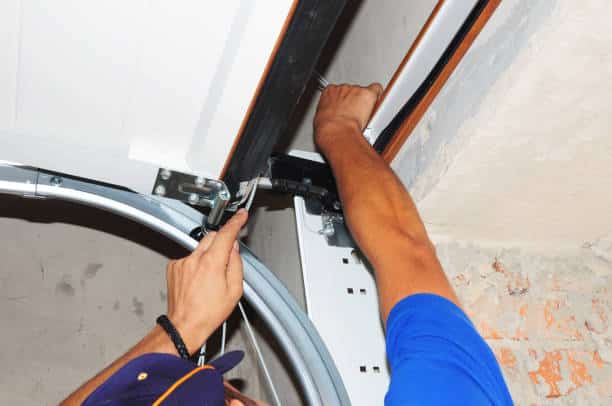
A stuck emergency release usually indicates tension, wear, or movement issues within the system that prevent the door from reconnecting normally.
Common causes include:
- Spring or cable problems that affect how the release mechanism responds
- Rail obstructions that stop the trolley from moving back into place
- Worn parts that no longer re-engage smoothly
- Misalignment between the trolley and the opener carriage
- Resistance in older mechanical components that interferes with release movement
Issues like these often affect how the door moves by hand, which is why our guide on Why Won’t My Garage Door Lift Up Manually? explains the related problems that can leave the door heavy, stuck, or difficult to control after the release is pulled.
What Happens When the Garage Door Manual Release Is Pulled?
Pulling the garage door manual release disconnects the opener from the door so the motor stops controlling movement, and the door shifts into manual operation until the trolley reconnects with the opener carriage.
What usually happens next includes:
- The opener disengages from the trolley inside the rail system
- The door moves manually along the garage door track
- The opener motor may run while the door stays still
- Reconnection occurs only when the trolley locks back into the carriage
This temporary disconnection allows manual movement during situations such as power interruptions or opener failure, but automatic operation will not resume until the release mechanism reconnects with the opener system.
How to Reconnect a Manual Garage Door Release Before Calling a Professional
Make Sure the Door Is in a Secure Position
Door position affects whether the reconnect process starts smoothly or adds strain to the release system before the opener tries to engage again.
Points to check first include:
- The door rests fully in the closed position
- Bottom section sits evenly across the floor
- Travel path stays free of storage items or debris
- Panel alignment looks even from side to side
Starting with a stable door position reduces extra movement that can interfere with trolley engagement or place more load on the reconnect point.
Check the Trolley and Opener Rail Alignment
Trolley alignment often determines whether the reconnect cycle finishes properly or leaves the opener running without pulling the door.
Look closely for conditions such as:
- Trolley sitting out of line inside the rail
- Opener carriage stopping short of the catch point
- Rail hardware appears loose or shifted
- Visible resistance along the travel path
Rail misalignment at this stage can prevent the reconnect point from lining up, and problems with the drive system may require garage door opener repair before automatic operation can return.
Re-Engage the Release Mechanism
The release hardware must return to its engaged position before the opener can reconnect the door and resume normal operation.
Common reconnect actions include:
- Pulling the release handle back toward the opener
- Moving the door slightly to help the latch reset
- Checking whether the release lever stays engaged
- Watching for the reconnect point to line up
Chamberlain explains that manual release systems disconnect the opener from the door until the mechanism is re-engaged, which is why the latch position directly affects whether reconnection can happen.
Let the Trolley Reconnect to the Opener
Motor-driven movement usually finishes the reconnect process by bringing the trolley and carriage back together at the engagement point.
Signs the system is attempting to reconnect include:
- Wall control activates the opener motor
- The trolley travels forward on the rail
- The carriage reaches the latch area during movement
- The door begins responding once the connection catches
Automatic reconnection depends on the trolley reaching the catch point under the correct conditions, so partial movement or interrupted travel often means the mechanism still has not locked in.
Test Whether the Door Reconnects Properly
A full test helps confirm whether the opener has regained control of the door or whether another mechanical problem is still preventing normal operation.
Useful checks after reconnection include:
- Opener lifts the door without hesitation
- The door moves evenly through the track
- Travel cycle completes without stopping early
- The reconnected system responds through normal controls
Clopay notes that opener operation problems can still involve worn rollers, misalignment, or other hardware issues, which is why a successful latch connection does not always mean the full system is working as it should.
Why a Garage Door Manual Release Stuck Problem Can Block Reconnection?
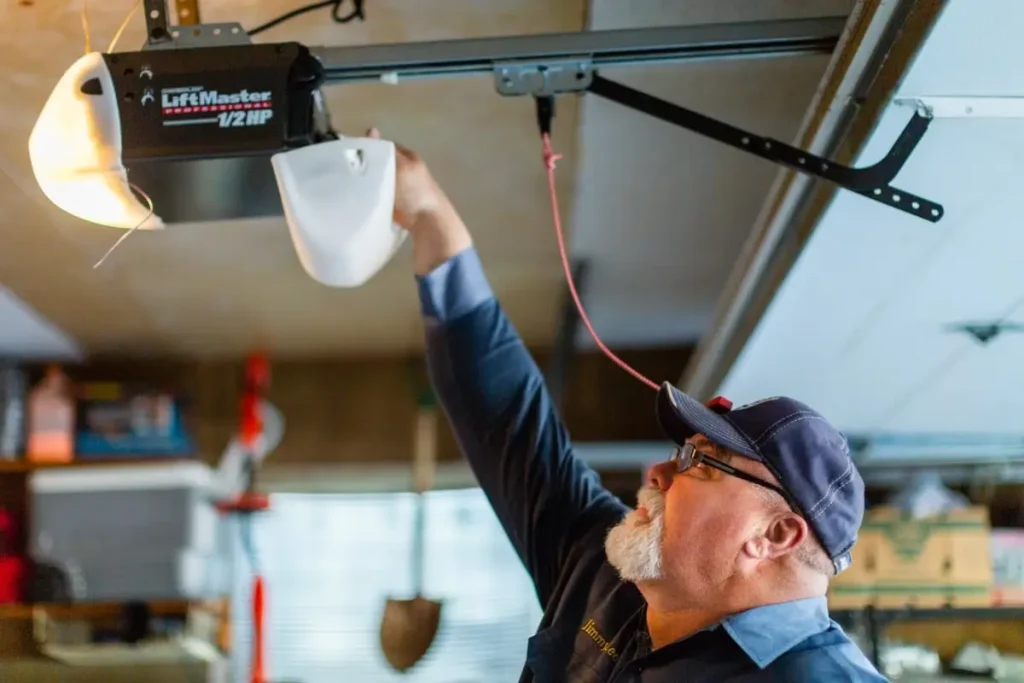
A stuck manual garage door release can prevent the latch from returning to its engaged position, preventing the trolley from reconnecting with the opener carriage.
Problems that often block reconnection include:
- Spring tension keeps the release from catching
- Track or roller resistance interrupts door movement
- Trolley wear is preventing proper engagement
- Rail misalignment is affecting the reconnect point
Reconnection usually fails when one of these conditions keeps the release mechanism, trolley, or opener parts from lining up the way the system needs during automatic re-engagement.
Why the Door Still Will Not Lift After Reconnection?
A successful reconnect does not always restore door movement because the original problem may involve lift support, opener performance, or another mechanical failure beyond the release system.
Problems that often keep the door from lifting include:
- Broken or weakened springs that leave the door too heavy
- Opener force problems that prevent upward travel
- Track resistance that limits smooth movement
- Loose or worn hardware affecting door balance
Lifting problems that persist after reconnection often point to worn springs, balance issues, or aging door parts, and, in more severe cases, homeowners may need to consider replacing the garage door.
When Reconnection Turns Into a Reset Problem
Reconnection problems sometimes persist after the latch re-engages because the opener settings, travel limits, or control response have not yet returned to normal.
Issues that often point to a reset-related problem include:
- Opener runs but stops before the cycle finishes
- Travel limits no longer match the door position
- Control settings fail after a power loss or interruption
- Re-engaged parts respond, but the system still acts out of sync
Reset issues can continue after reconnection, and our blog on How to Reset a Garage Door Manual Release in Aledo, TX, explains the opener-related problems that may still keep the system from working properly.
When to Call a Garage Door Professional in Aledo, TX
Professional service becomes necessary when reconnecting the release does not restore normal door movement or when the system shows signs of damage, imbalance, or repeated failure.
Problems that often require expert inspection include:
- The door keeps disconnecting after reconnection
- Trolley, rail, or door arm shows visible damage
- Spring or cable issues affect balance and movement
- Opener runs without restoring normal door operation
Professional evaluation helps determine whether the problem involves only the release mechanism or a larger issue with the garage door system that still needs repair.
Why Fast Garage Door Repair Matters in Aledo, TX
Delayed repair can turn a reconnect problem into a larger garage door issue by increasing wear on parts that are already under strain.
Problems that can worsen over time include:
- Daily access becomes harder when the door stays disconnected
- Continued use adds wear to the opener and moving hardware
- Small alignment issues grow into larger mechanical problems
- Delayed service can lead to more extensive repair needs
Early service helps limit added wear on moving parts, and timely attention to related opener issues can also support better long-term garage door opener maintenance.
Professional Help for Reconnecting a Garage Door Manual Release in Aledo, TX
A garage door that stays disconnected after manual use often points to a larger issue involving the opener, trolley, springs, or other moving parts rather than the release handle alone. Restoring normal operation starts with identifying what is blocking reconnection and addressing the garage door system conditions that keep the door from working properly.
TCAMM Door & Gate provides professional garage door repair and service for homeowners in Aledo, TX, who need help with garage door manual release problems, opener issues, and related mechanical failures. Our team brings years of experience with garage door systems, so contact us or give us a call to schedule service for your home.
Frequently Asked Questions
Does the garage door need to be closed before reconnecting the release?
Yes. A door near the closed position is more likely to help the trolley return to the correct position during reconnection. We also check the path of the door for anything that could impede movement after a power outage.
Why does the opener run while the garage door stays still?
The motor is usually powered, but the door is still disconnected from the drive system. A missed reconnect after the red cord is pulled or a problem near the bottom of the door can both cause this.
Can a damaged trolley keep the release from reconnecting?
Yes. Worn trolley parts or other mechanical parts can keep the latch from locking back into place. Trouble can also start after the red emergency release cord is used if the reconnect point does not catch properly.
Is a disconnected door always caused by the release cord?
No. Rail misalignment, opener wear, or trouble with the emergency cord can also leave the system disconnected. In some cases, the real issue involves the opener controls rather than the release handle itself.
Do different opener brands reconnect in different ways?
Yes. Most brands use the same basic principle, but some models include a reset button or follow specific instructions for re-engagement. Small design differences can change how easily the system reconnects.
Will reconnecting the release solve a heavy garage door issue?
No. A heavy door often points to a broken spring, worn torsion springs, or another garage door spring problem. That kind of weight change can quickly become a garage door safety concern.
Can weather affect how the release mechanism works?
Yes. Moisture, dust, and temperature changes can affect how moving parts slide and catch on an overhead door. That problem can be more noticeable on older systems and some roller garage doors.
How can I tell whether the problem is the cord or the opener?
A cord problem usually affects how the latch disengages or re-engages, while an opener problem often shows up when the motor runs without moving the door. This information is provided for informational purposes only, and any result of reliance on the information depends on the actual condition of the system.
When should a disconnected garage door be inspected by a technician?
Inspection becomes important when the door will not reconnect, keeps disconnecting, or feels unusually heavy. Prompt garage door service is important when safety sensors are involved and safety precautions are needed to reduce the risk of serious injury.