
Automatic gates are easy to take for granted when they work every day. You tap a remote, the gate opens, and you move on. But gates do not stay reliable just because they are new or heavy-duty. They stay reliable when the moving parts remain aligned, safety devices stay clean and responsive, and the operator is not forced to work against extra resistance.
In Aledo, TX, heat, wind-driven dust, storms, and ground movement can slowly change how a gate travels and how safety devices respond. That is why a simple maintenance schedule, paired with a few consistent habits, can make a noticeable difference.
The Best Maintenance Schedule For Most Automatic Gates
For many homes and small properties, a strong baseline schedule is:
- Every 6 months: Full maintenance inspection and tune-up
- Every month: Quick visual check and basic cleaning
- After major storms: Quick check for debris, alignment drift, and sensor issues
This schedule works well because gate systems have two areas that need attention:
- Mechanical movement: hinges, rollers, wheels, track, guides, frame alignment
- Safety and controls: photo eyes, safety edges, loops, keypads, remotes, settings
Mechanical wear usually builds gradually. Safety devices can become unreliable much more quickly if they are dirty, slightly misaligned, or damaged. That is why monthly quick checks can prevent the frustrating “it works sometimes” problems that often show up without warning.
If your gate is already acting unusually, routine maintenance may not be enough. For clear warning signs that point to repair, read How Do You Know You Need Automatic Gate Repair?
What Changes How Often Maintenance Should Be Done
Twice-per-year service is a strong starting point, but some gates need more frequent attention. The biggest factor is how hard the system works in real life.
How Often Does the Gate Cycle Each Day
A gate that opens a few times daily typically wears more slowly than a gate that cycles dozens of times. More cycles create more wear on moving points and more strain on operator components, including:
- rollers or wheels
- hinges
- drive chain or gear rack
- motor and internal drive components
- safety accessories such as loops and photo eyes
If your gate cycles frequently because of multiple drivers, deliveries, guests, or shared access, a quarterly maintenance plan is often a better fit than twice per year.
Gate Style And Hardware Type
Maintenance needs also depend on gate type:
- Slide gates: often collect debris in the travel path and track area. Even small rocks can cause drag.
- Swing gates: can sag over time if hinges wear, posts shift, or the ground changes in the swing arc.
- Cantilever gates: rely heavily on rollers, guides, and careful alignment. If rollers wear or guides shift, the gate can rub and place extra strain on the operator.
Different gate designs tend to fail in different ways, which is why a maintenance visit should evaluate the full motion path, not only the operator.
Exposure To Dust, Wind, And Storm Debris
In Aledo, TX, dust and wind can coat sensors and build up in travel areas. After storms, it is common to find:
- Leaves and twigs lodged near rollers and guides
- Gravel washed into a track area
- Mud buildup near moving points
- Photo eyes knocked out of alignment by vibration or shifting mounts
A gate can seem “broken” simply because sensors cannot read clearly. Regular cleaning and testing reduce that risk.
Property Layout And Drainage
Drainage issues can change how soil settles near posts, tracks, and guide mounts. Over time, that can lead to:
- shifting posts
- track movement
- ground contact on swing gates
- changing alignment between sensors and mounting brackets
If you notice pooling water, washouts, or cracking near the travel area, increasing inspection frequency is a smart move. Small alignment drift can create resistance that forces the operator to work harder, increasing the chance of opener-related repair.
A Simple Maintenance Plan You Can Actually Follow
A plan only works if it is easy to keep up with. This routine is practical for most homeowners and does not turn into a big project.
Monthly Quick Check
Once a month, spend 5 to 10 minutes on three simple actions:
- Visual check: Does the gate look level? Is it rubbing anywhere? Are brackets bent or loose?
- Sound check: Are there new sounds like grinding, squealing, clicking, or banging?
- Sensor check: Are the photo eyes clean and facing each other? Is the travel path clear?
This is not meant to replace a professional inspection. It is a quick way to catch changes early.
Twice-Per-Year Professional Maintenance
Every 6 months, schedule a full maintenance visit that includes:
- Travel and alignment checks
- Safety device testing
- Operator inspection and settings verification
- Hardware inspection for wear
- Confirmation that the gate cycles smoothly and consistently
If your gate sees heavier use, shifting this to quarterly service often reduces breakdown risk.
Storm And Weather Check
After high winds or heavy rain:
- Clear debris from the travel path
- Wipe photo eyes and confirm alignment
- Listen for new sounds during the next few cycles
- Watch for hesitation, dragging, or reversing
What Automatic Gate Maintenance Should Include
Maintenance should never be a quick “spray and go” visit. A thorough service checks both mechanical function and safety performance so the system remains stable over time.
Gate Movement And Alignment Check
A technician should confirm:
- The gate travels smoothly through the full cycle
- The gate is level and square
- There is no binding or repeated tight spot
- Rollers, wheels, or hinges show no excessive wear
- The gate does not produce new sounds under load
This matters because many operator failures begin with increasing resistance, not an electrical failure.
Operator And Drive System Inspection
Depending on system type, this often includes:
- checking chain tension or rack alignment
- Inspecting drive components
- Confirming mounting stability
- Checking for signs of heat stress
- Verifying the operator is not straining during travel
If the operator seems to be struggling, a deeper understanding helps. If your biggest question is why the operator can stop working in the first place, read What Causes Automatic Gate Openers to Stop Working?
Safety Device Testing
Safety devices should be tested, not assumed. A thorough visit often includes:
- Cleaning and aligning photo eyes
- Confirming proper reversing behavior
- Checking safety edges and response
- Testing exit devices
- Verifying vehicle detection loop behavior, if installed
Many “gate won’t close” complaints come down to safety devices that are dirty, misaligned, or damaged.
Electrical And Control Checks
This often includes:
- Checking wiring condition at key connection points
- Confirming sa table power supply
- Checking battery backup health, if present
- Verifying keypad, remote, and receiver response
- Confirming limit settings and force settings
Small wiring issues can create intermittent failures that feel random until the system fully shuts down.
Lubrication And Wear Point Care
A technician may apply lubrication to approved wear points and confirm that friction areas are protected. Correct lubrication supports smoother motion and reduces wear, but the wrong product or over-application can attract grit and create buildup.
Homeowner Maintenance That Helps Without Creating Risk
You do not need to be a technician to support reliability. The safest homeowner actions focus on keeping the travel area clear and sensors readable.
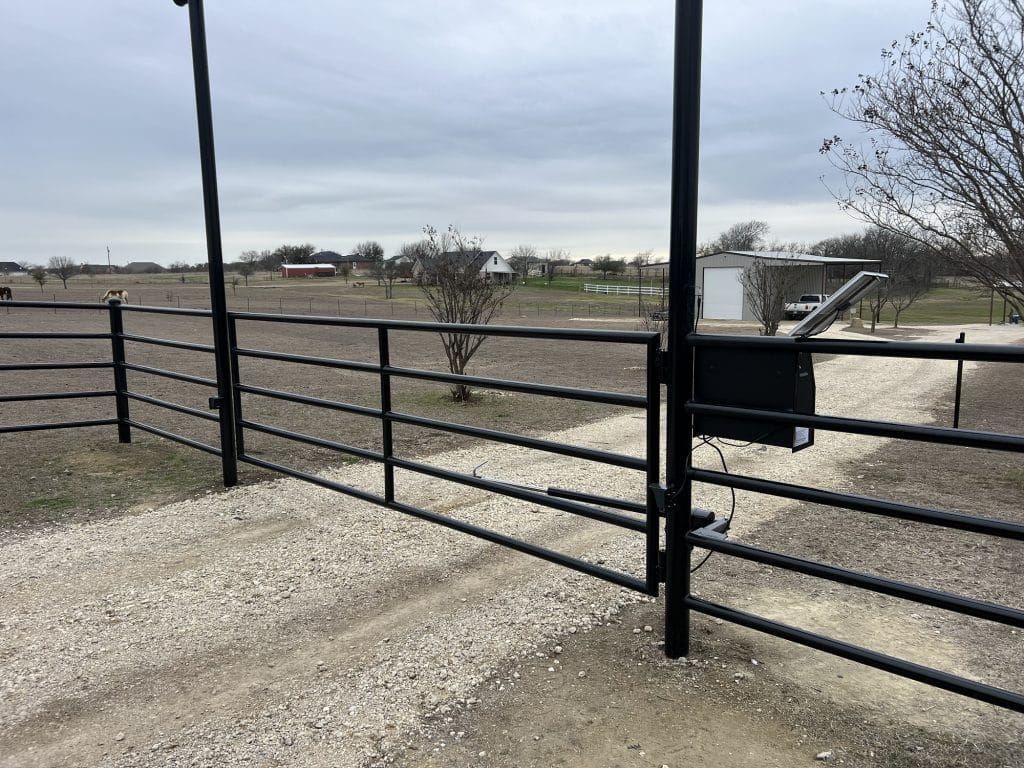
Sensor Cleaning
Photo eyes are a common reason gates refuse to close. Dust, spider webs, and mud splatter can block the beam. Wipe gently with a soft cloth. If brackets look bent or loose, that usually requires professional correction because precise alignment matters.
Because safety inputs and alignment details are critical for consistent operation, even a basic overview of how openers integrate with sensors helps explain why small changes can cause big symptoms.
Travel Path Cleanup
For slide gates, keep the travel path clear. Remove:
- Sticks and branches
- Rocks and gravel
- Packed mud near rollers
- Weeds growing into track areas
For swing gates, check the swing arc and confirm the gate is not catching the ground.
Sound And Speed Awareness
If the gate slows down, stops in the same place, or makes new sounds, treat it as an early warning. Many major repairs begin with small changes that are easy to miss.
When To Stop And Schedule Service
Stop cycling the system and schedule service if you notice:
- Garsh grinding sounds
- The gate is dragging or leaning
- Repeated reversing with no clear obstruction
- Operator overheating
- The gate is not closing securely
Repeated cycles during strain can create more damage.
How Seasonal Conditions In Aledo Can Change Your Timing
Local conditions can push maintenance needs forward, even if the gate was serviced recently.
Summer Heat
Heat can stress:
- Control boards and electronics
- Batteries and backup systems
- Housings and seals
- Motor performance under load
Heat can also reveal resistance problems because the operator is already working harder.
Wind And Dust
Dust can cause:
- Sensor misreads
- Buildup around rollers and guide areas
- Faster wear where grit collects
If wind exposure is frequent, the monthly quick check becomes even more valuable.
Storm Season And Heavy Rain
Storms can create:
- Washed debris in slide paths
- Moisture intrusion in weak electrical points
- Ground shifting that affects alignment
- Damage to sensor brackets and wiring
After storms, a short inspection can prevent weeks of intermittent problems.
Signs You Need Repair Instead Of Routine Maintenance
Maintenance is intended to reduce wear and confirm safe operation. Repair is needed when the system is already failing.
Signs you may need automatic gate repair include:
- Gate stops mid-cycle
- The gate reverses often without a clear obstruction
- The operator hums, but the gate does not move
- Gate drags, scrapes, or leans
- Controls work intermittently
- The operator overheats or trips frequently
- The gate will not close securely
Maintenance Timing For Different Property Types
If you want a more specific schedule, these general guidelines help.
Homes With Light Daily Use
If the gate cycles only a few times daily, twice-per-year service is often enough with monthly quick checks.
Homes With Heavy Daily Use
If the gate cycles frequently, every 3 to 4 months is often a better plan.
Properties With Dirt Roads Or Heavy Dust
Dust increases wear and sensor issues faster, which often supports quarterly service.
Gates Exposed To Storm Debris
If debris frequently blows into travel zones, more frequent checks reduce track and guide trouble.
Shared Access Or Multi-User Properties
Higher cycle rates often justify quarterly service because wear points and alignment drift show up sooner.
If the gate looks sagging or structurally stressed, repair may involve metalwork, read When Does Gate Fabrication Become Part of Gate Repair?
A Useful Maintenance Log That Prevents Guesswork
A simple log improves maintenance results and makes service faster. A note on your phone is enough.
Track:
- The date of each service visit
- Any symptoms noticed before service
- What was adjusted or replaced
- Whether the gate sounded smoother afterward
- Any new changes over time
For maintenance-specific reading, Medium’s gate maintenance is a quick way to find posts focused on inspections, cleaning routines, and reliability habits.
Patterns become easier to spot, and descriptions become clearer when you schedule help.
Keep Your Gate Reliable All Year In Aledo
A consistent maintenance schedule is one of the simplest ways to avoid surprise failures. When the gate stays aligned, sensors stay clear, and resistance stays low, the system becomes more predictable and easier to trust. This approach also helps reduce intermittent issues that can be difficult to troubleshoot once they become frequent.
Tcamm Door & Gate supports homeowners and property owners in Aledo, TX, with routine maintenance, detailed inspections, and repair guidance when a system starts showing stronger symptoms. We focus on practical steps that keep your gate operating smoothly, safely, and reliably throughout the year. Contact us or give us a call.
Frequently Asked Questions
What is the biggest reason gates fail between visits?
Increasing mechanical resistance. Dragging and misalignment force the operator to work harder and speed up wear.
Should I lubricate my gate myself?
You can, but only if you use the correct lubrication in the correct locations. The wrong product can attract grit and make movement worse.
How do I know if sensors need attention?
If the gate refuses to close, reverses unexpectedly, or acts inconsistently, sensors may be dirty, misaligned, or damaged.
Do I need maintenance if my gate is new?
Yes. New systems still need safety testing, alignment verification, and wear point checks.
Can maintenance prevent operator replacement?
Often, yes. Lower resistance and correct settings reduce strain and can extend operator life.
What happens during a professional maintenance visit?
A technician checks alignment, tests safety devices, inspects the operator and controls, verifies limits and force settings, and confirms stable cycling.
How does the weather affect maintenance timing?
Heat, dust, storms, and moisture can speed up wear and increase sensor problems, so checks after storms are helpful.
What if my gate is sagging?
Sagging often points to hinge wear, post movement, or frame issues. It can lead to binding and operator strain and may require repair.
Should commercial gates follow a different schedule?
Yes. Higher cycle rates and heavier use often require more frequent service.