A garage door manual release can become jammed when the opener connection, release cord, or door hardware stops working properly. When that happens, homeowners in Aledo, TX, may struggle to open the garage door during a power outage or sudden opener problem.
Understanding why a garage door manual release gets stuck can help you identify the cause before the issue gets worse. In many cases, early troubleshooting can help homeowners recognize when professional garage door repair is needed to restore normal door operation.
What Should You Check Before Using the Emergency Release?
Before pulling the emergency release, inspect the door’s position, visible hardware, and overall movement, as uneven alignment, excess weight, or binding can indicate a larger mechanical problem that affects how the release system responds.
Common things to inspect before using the release include:
- Door position, especially if it is partially open or sitting unevenly.
- Track condition, including bends, gaps, or debris along the rollers’ path.
- Garage door spring and cable condition, with attention to visible wear or damage.
- Door weight during a cautious test lift after disengagement.
- Opener tension that may still be holding the trolley back.
To understand how these warning signs can affect manual door movement after disengagement, read our guide on Why Won’t My Garage Door Lift Up Manually?, which explains the most common reasons a disconnected door still feels heavy, stuck, or difficult to raise.
How a Garage Door Manual Release Works
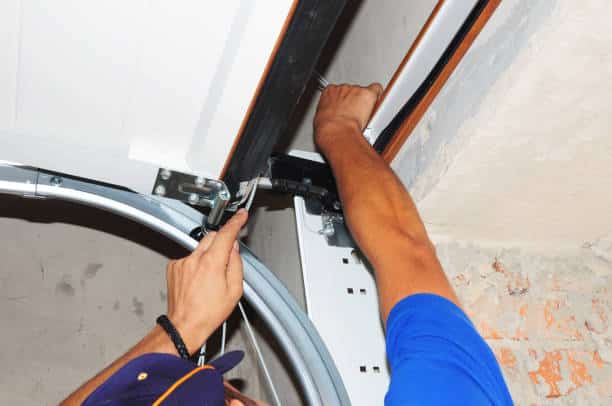
A garage door manual release disconnects the door from the opener, allowing it to move by hand when the motor stops working or manual operation is necessary.
Key parts involved in that process include:
- Release the cord that disengages the trolley from the opener system.
- Emergency release handle that activates the disconnect mechanism.
- The opener carriage that links the door arm to the motor assembly.
- The door arm that transfers movement between the opener and the door.
- Track path that guides the door during manual movement.
Understanding the disconnect process also helps explain how problems within garage door openers can interrupt manual operation and prevent the system from responding as expected.
Step-by-Step Troubleshooting for a Jammed Manual Release
Make Sure the Garage Door Is Fully Closed and stable
Pulling the release on a door that is partly open or sitting unevenly can increase movement pressure, change load distribution, and make the manual release feel harder to operate.
Check for conditions such as:
- Door resting evenly on the floor instead of hanging at an angle.
- Bottom seal touching the ground across the full width.
- Side gaps that do not suddenly widen from one end to the other.
- Visible leaning that suggests shifted weight or alignment trouble.
Garage door safety guidance from the U.S. Consumer Product Safety Commission warns that unstable door movement and damaged hardware can increase the risk of injury during manual operation.
Inspect the Release Cord and Handle for Twisting or Damage
Wear around the handle or cord can interrupt the release motion and prevent the disconnect point from moving as it should.
Look for issues like:
- Fraying near the handle grip or knot.
- Cord twisting around the rail or trolley area.
- Handle catching against the opener assembly.
- Slack that looks uneven or out of place.
Cord damage, handle interference, or a wrapped release line can all keep the mechanism from disengaging smoothly and leave the system feeling jammed.
Check Whether the Trolley Has Partially Disengaged
A trolley that slips into an in-between position can leave the opener disconnected only halfway, which often causes a stuck feel during manual release troubleshooting.
Watch for signs including:
- Door shifting slightly without fully separating from the opener.
- The opener runs while the door stays in place.
- Handle moving without a full release response.
- The trolley is sitting awkwardly along the opener rail.
Partial disengagement often indicates a carriage connection problem rather than a failed cord, so the release may need to be repositioned before the door can move normally.
Test the Door for Excess Weight or Resistance
Unexpected heaviness after pulling the release usually indicates a balance problem within the door system rather than a fault in the manual release itself.
Pay attention to warning signs such as:
- The door feels much heavier than normal during a cautious lift.
- Uneven resistance as the door starts to rise.
- Jerky travel that changes from one side to the other.
- Sudden strain that makes the door hard to control.
Chamberlain notes that an out-of-balance door, broken torsion spring, or worn rollers can prevent normal movement and make manual lifting far more difficult after the opener is disengaged.
Look for Track, Roller, or Alignment Problems
Binding along the track path can stop manual movement even after the opener connection releases, which is why door travel should be checked before blaming the release hardware alone.
Inspect for problems like:
- Bent track sections near roller contact points.
- Debris buildup along the travel path.
- Rollers that appear chipped, worn, or out of line.
- Brackets that no longer hold the track evenly.
Persistent vibration, roller friction, and uneven travel can also point to conditions addressed through garage door noise reduction solutions when movement becomes rough or disruptive.
Disconnect Opener Power to Isolate the Problem
Removing the opener power can help separate motor-related resistance from door hardware resistance when the manual release does not respond as expected.
Use that check to confirm:
- Motor stops trying to drive the rail.
- Trolley movement changes once power is removed.
- The door still resists motion without the opener input.
- The rail area remains under pressure even after the shutdown.
A change in door movement after power is removed can help indicate whether the problem is due to the opener system, the trolley connection, or resistance within the door hardware itself.
Stop if the Door Feels Unsafe to Move
Heavy force, uneven travel, or unstable motion can signal a larger mechanical failure that should not be pushed further during homeowner troubleshooting.
Stop immediately if you notice:
- Door dropping instead of holding position.
- One side is rising faster than the other.
- Loud strain near springs, cables, or rollers.
- Sudden resistance followed by release.
Further handling under those conditions can increase part damage, raise injury risk, and turn a smaller release problem into a larger repair issue.
What Causes a Garage Door Manual Release Stuck Problem?
A garage door manual release can get stuck when tension, hardware wear, or door movement problems keep the disconnect mechanism from moving freely.
Common causes include:
- The trolley is binding on the opener rail instead of releasing fully.
- Spring or cable trouble that adds strain to the door system.
- Bent or worn release parts that interrupt normal movement.
- Track resistance that makes the door feel stuck after disengagement.
- Opener pressure that keeps force against the carriage connection.
Pinpointing which condition is creating that resistance helps explain why the release will not disengage smoothly and why the door may still be difficult to move by hand.
How to Use a Manual Garage Door Release During a Power Outage
A garage door manual release allows the door to disconnect from the opener, enabling manual operation if the motor stops working during a power outage.
Important steps include:
- Confirm the door is fully closed and stable before pulling the release.
- Pull the emergency release cord straight down to disengage the trolley.
- Lift the door with controlled movement and watch for unusual weight or resistance.
- Lower the door carefully and avoid letting it drop into place.
Restoring normal operation after manual use can involve trolley alignment and opener reconnection, so our blog on How to Reset a Garage Door Manual Release in Aledo, TX, explains what to check before the system runs again.
How to Reconnect the Release After Manual Operation
Reconnecting the release restores the link between the garage door and the opener, allowing automatic operation to resume after manual operation.
Key parts of that process include:
- Return the door to a stable position along the track.
- Restore power to the opener before testing the system.
- Run the opener so the trolley can latch back into place.
- Check that the door responds normally through a full cycle.
Trolley and opener carriage misalignment can prevent the system from reconnecting properly, and our guide on How to Reconnect a Garage Door Manual Release in Aledo, TX, explains the checks that help restore automatic operation.
When to Schedule Professional Garage Door Service
Professional garage door service becomes necessary when the manual release problem points to door weight, hardware damage, or opener failure that basic troubleshooting cannot resolve.
Common signs include:
- The door feels unusually heavy or unstable when moved manually.
- Springs, cables, or track sections show visible damage.
- Trolley or opener parts fail to reconnect after manual operation.
- The release cord, handle, or carriage assembly no longer moves properly.
- Repeated jamming continues after basic inspection steps.
Repeated jamming, worn hardware, and opener-related failures can also signal the need for garage door opener maintenance before the system develops more serious operating problems.
Fix a Jammed Garage Door Manual Release Before the Problem Gets Worse
A jammed garage door manual release can indicate spring trouble, trolley binding, or resistance along the track that keeps the door from moving as it should. Understanding how the release mechanism connects with the opener and other moving parts helps homeowners in Aledo, TX, recognize the issue early and avoid more complicated garage door repair needs.
TCAMM Door & Gate works with homeowners in Aledo, TX, to diagnose and resolve problems, opener issues, and other garage door system concerns with careful attention to how each part works together. If your garage door manual release will not disengage or the door still will not move after troubleshooting, contact us or give us a call today for trusted local help.
Frequently Asked Questions
What are the steps to disengage and re-engage the garage door manual release cord?
Move the door to a stable position, pull the red emergency release cord to disconnect the trolley, and only move the door by hand if it feels controlled. After that, return the door to the correct position and run the opener so the trolley can reconnect to the system.
Why is my garage door not opening even after pulling the emergency release handle?
The trolley may still be partly connected to the opener, or something may be blocking movement along the track. Other causes can include door imbalance, track obstruction, or mechanical parts preventing the door from moving freely after the opener is disengaged.
How can I reset my garage door opener after using the manual release?
Restore power to the opener and place the door in a stable position before testing the system. Most units reconnect during the next cycle, but some may need the reset button or other specific instructions from the opener manufacturer before normal operation resumes.
What should I do if my garage door manual release lever is stuck?
Do not force the lever if it resists movement. A garage door emergency release stuck problem can happen when the trolley binds, the cord twists, or pressure remains against the opener connection, and the next step is usually a closer inspection before more force is applied.
Is it safe to use the garage door manual release if I am alone at home?
No. A solo operation can become risky if the door feels heavy, unstable, or difficult to control, especially on a large overhead door. We recommend stopping and arranging professional service if the door does not move smoothly by hand.
How do I manually open a garage door with the red emergency cord?
Pull the red cord straight down to disengage the trolley from the automatic opener. After the connection is released, lift the door slowly by hand from the bottom, maintaining steady control throughout the opening of the garage door.
What tools do I need to operate my garage door manually in an emergency?
Manual operation normally does not require tools when the release system is working properly, though gloves and a flashlight can help for informational purposes during a visual check of the path of the door and nearby mechanical parts.
Can I damage my garage door by using the manual release incorrectly?
Yes. Pulling the release while the door is partly open or forcing a stuck door to move can strain the trolley, rollers, and garage door track. Improper handling can also pose a risk of serious injury, so safety precautions are essential before any manual operation.
When should I use the garage door manual release feature?
Use the manual release during a power outage, opener failure, or another situation where the door must move without motor support. We do not recommend using it as a workaround for mechanical issues, safety sensor problems, or damage that may require professional service.